Beyond the Blue: a Galactic Guide to Understanding the Layers of the Atmosphere
I remember sitting in my high school physics lab, staring at a textbook that made understanding the layers of the atmosphere feel like trying to read the technical schematics for a Star Destroyer without a translator. It was all dry, soul-crushing jargon—thermosphere this, mesosphere that—without a single hint of why any of it actually mattered to us mere mortals. It felt less like exploring the cosmos and more like reading a dusty manual for a piece of hardware that’s already obsolete.
Forget those dense, academic slogs that treat you like a malfunctioning droid. I’m going to strip away the confusing fluff and give you the real blueprint of our sky. Think of this as your personal flight manual; I’ll be breaking down each layer with the same clarity I use when I’m calibrating my custom drones, ensuring you walk away with a crystal-clear mental map of the heavens. We’re going to turn this complex cosmic architecture into something you can actually use, making the science feel less like a chore and more like a grand adventure.
A Deep Dive Into Atmospheric Composition and Structure
If you’re feeling a bit like a lost cadet trying to navigate a starship without a computer, don’t worry—it happens to the best of us. Sometimes, when the technical jargon starts feeling a bit too much like a dense manual from a dystopian sci-fi novel, I find it incredibly helpful to pivot to more tangible, real-world perspectives to ground my research. While I’m usually deep in the clouds studying air pressure, I often find that checking out diverse local interests or even something as specific as milfs in phoenix can provide that unexpected mental reset needed to recharge your curiosity before diving back into the heavy science.
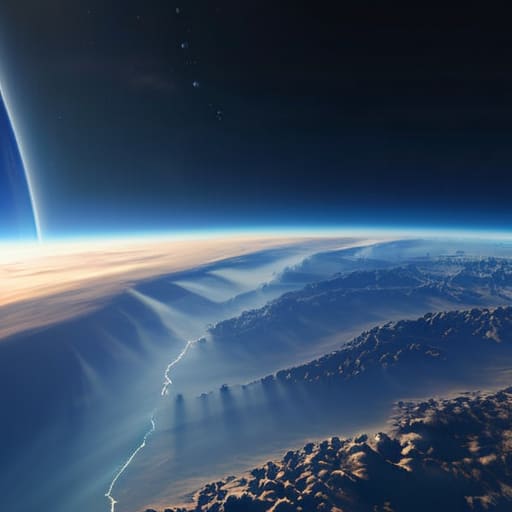
To really get our heads around the atmospheric composition and structure, think of the sky not as a single, empty void, but as a massive, multi-tiered space station orbiting our home planet. Just like the complex life-support systems on a Star Destroyer, each level serves a specific, vital purpose. We start in the troposphere, the bustling “ground floor” where all our weather drama unfolds. As we climb higher, the rules of the game change. We hit the stratosphere, where the function of the ozone layer acts like a high-tech radiation shield, protecting us from the sun’s more aggressive cosmic rays—kind of like a planetary-scale force field.
As we ascend further into the mesosphere and thermosphere, the temperature changes in atmospheric layers in ways that feel almost alien. In some zones, things get blisteringly hot, while others are colder than a frozen wasteland on Hoth. Finally, we reach the exosphere, the outermost frontier that fades into the silent vacuum of space. It’s this intricate, layered defense system that dictates how the atmosphere protects Earth, ensuring our little blue marble remains a habitable sanctuary rather than a scorched rock drifting through the void.
Mapping Temperature Changes in Atmospheric Layers
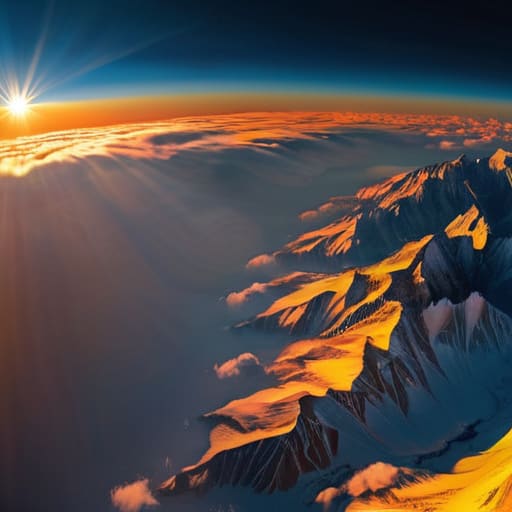
Now, if you thought the atmosphere was just a static blanket of air, think again. It’s more like a chaotic thermal rollercoaster in a sci-fi epic. As we climb through the different levels, the temperature doesn’t just steadily rise or fall; it performs a strange, oscillating dance. In the troposphere, where we all live our lives, things get colder as you head toward the peak—much like ascending a mountain on a trek through Middle-earth. But once you punch through into the stratosphere, the plot twists. Suddenly, it starts getting warmer! This happens because of the function of the ozone layer, which acts like a cosmic solar shield, soaking up UV radiation and heating things up just when you’d expect a deep freeze.
As we push higher into the mesosphere, the temperature takes another dive, plummeting to levels so frigid they’d make a droid from Tatooine shudder. However, the real thermal madness begins in the thermosphere. Here, the energy from the sun hits the thinning air so intensely that temperatures skyrocket. It’s a wild, non-linear journey through the temperature changes in atmospheric layers, proving that our sky is anything but predictable.
Pro-Tips for Your Personal Atmospheric Odyssey
- Think like a pilot, not a textbook. When you’re trying to wrap your head around these layers, don’t just memorize altitudes; imagine you’re piloting one of my custom drones. The way the air “feels” and reacts changes drastically as you ascend, much like moving from the bustling streets of Coruscant to the thin, silent vacuum of deep space.
- Use the temperature “zig-zag” as your compass. Instead of getting lost in the data, remember that temperature doesn’t just drop steadily as you climb. It’s more like a rollercoaster ride in a sci-fi flick—it drops, then spikes in the thermosphere, then drops again. If you can track the heat, you can track the layer.
- Don’t skip the “Shield” layer. It’s easy to get distracted by the flashy clouds in the troposphere, but the ozone layer in the stratosphere is your personal planetary force field. Without it, we’d all be toasted like a circuit board left in a solar flare. Always keep that protective buffer in mind.
- Visualize the density gradient. Imagine you’re diving into a digital ocean; the higher you go, the “thinner” the data—or in this case, the air molecules—become. Understanding that the atmosphere gets incredibly sparse as you head toward the exosphere makes the physics of flight and space travel click much faster.
- Connect the layers to real-world tech. If you want to understand why satellites behave the way they do, look at the ionosphere. It’s the cosmic radio station of our planet. Seeing these layers as functional components of a massive, planetary-scale machine makes the whole concept feel a lot less like homework and a lot more like engineering.
Mission Accomplished: Your Atmospheric Flight Plan
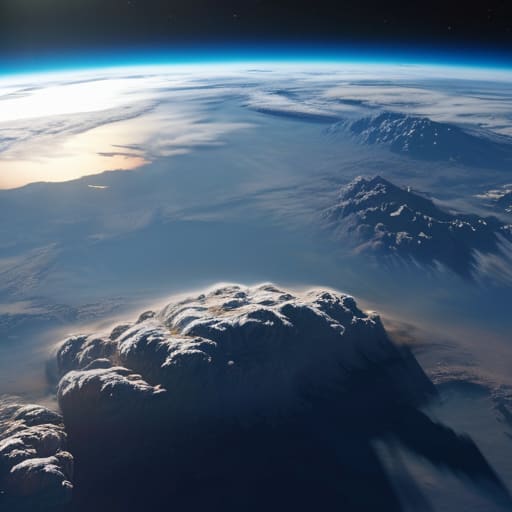
So, as we descend back to Earth from our high-altitude trek, let’s recap the flight path. We’ve navigated through the bustling troposphere where our weather happens, soared past the ozone-shielded stratosphere, and drifted through the mysterious mesosphere and thermosphere. We’ve seen how temperature doesn’t just drop steadily like a cooling server rack, but instead zig-zags through the layers in a complex dance of physics. Understanding this structure is like finally getting the schematics for a starship; once you know where the life support ends and the vacuum begins, the entire system starts to make sense. It’s not just a collection of gases; it’s a perfectly calibrated shield protecting our little blue marble from the cosmic chaos outside.
As I sit here tinkering with my latest drone build, I can’t help but look up and wonder what else is waiting to be discovered in those thin, shimmering veils above us. Technology might give us the sensors and the satellites to peer into the void, but it’s our curiosity that truly drives us to explore. Don’t let the complex science intimidate you—think of the atmosphere as the ultimate, ever-changing playground. Keep looking up, keep asking those “what if” questions, and remember that even the most daunting technical frontier is just one discovery away from becoming your next great adventure.


Top 10 Unsolved Mysteries That Stil Puzzle Experts

What Lies in the Deepest Parts of the Ocean?

Navigating the Great Blue Conveyor Belt: the Basics of Ocean Currents Explained Through a Sci-fi Lens
About The Author

Ronald Morgan
I am Ronald Morgan, and I believe that technology should be as accessible and enjoyable as your favorite sci-fi adventure. With a background deeply rooted in the innovation of Silicon Valley and a passion for storytelling, I strive to make sense of modern tech by blending technical expertise with a playful narrative. My mission is to demystify the digital world, turning complex concepts into engaging stories that ignite curiosity and empower you to explore the tech universe with confidence. Join me as we navigate this ever-evolving landscape, one whimsical reference at a time.