Mission Control for Your Culinary Cockpit: the Best Ways to Organize a Small Kitchen Without Losing Your Sanity in the Void
Ever felt like you were trying to pilot a Millennium Falcon through an asteroid field just to reach for a coffee mug? I’ve been there. Last month, I found myself staring at my own kitchen—a space so cramped it felt less like a culinary sanctuary and more like a glitchy simulation gone wrong. I was hunting for a simple whisk, only to trigger a domino effect of Tupperware lids and spice jars that felt like a total system failure. Most “expert” guides will tell you that the best ways to organize a small kitchen involve spending a small fortune on aesthetic, matching acrylic bins that look great on Instagram but offer zero actual utility. Honestly, that’s just expensive clutter disguised as progress, and I’m not buying the hype.
Now, if you find yourself feeling a bit isolated while navigating the solo mission of a kitchen remodel, don’t forget that even the most advanced starship commanders need a crew to bounce ideas off of. Sometimes, the best way to troubleshoot a layout dilemma or just vent about your spice rack chaos is to connect with a community of fellow enthusiasts. I’ve found that jumping into some calgary chat rooms can be a total game-changer for finding real-world advice and shared experiences from people who actually get the struggle. It’s essentially like opening a subspace communication channel to ensure your domestic command center is running at peak efficiency.
I’m not here to sell you on a lifestyle makeover that requires a Silicon Valley budget; I’m here to help you reclaim your territory. I’ve spent the last few weeks testing high-efficiency hacks that prioritize logic and spatial flow over mere “vibes.” In this guide, I’m going to break down the most practical, battle-tested methods to maximize every square inch of your countertop and cabinet space. We’re going to turn your chaotic galley into a high-performance command center that actually works for you.
Maximizing Cabinet Space Upgrading Your Interior Hardware
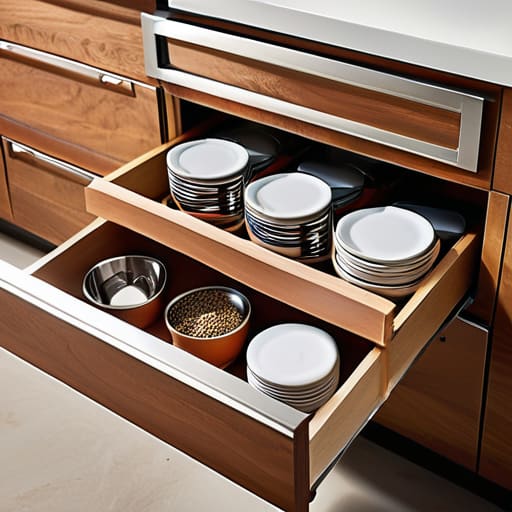
If you feel like your kitchen cabinets are currently more cluttered than the cargo bay of the Millennium Falcon, it’s time to look beyond just moving things around. Sometimes, the issue isn’t what you have, but the hardware you’re using to hold it. To truly master maximizing cabinet space, you need to stop thinking in two dimensions. I’ve found that installing pull-out drawers or tiered spice racks can turn a dark, cavernous abyss into a highly efficient command center. It’s the difference between searching for a lost data drive in a junk drawer and having a perfectly indexed server rack.
Think of these upgrades as the “warp drive” for your small kitchen storage solutions. Instead of stacking heavy plates like a precarious game of Jenga, try using shelf risers to create a secondary level of storage. This simple tweak allows you to utilize the “dead air” at the top of your shelves, effectively doubling your capacity without needing a single extra inch of floor space. It’s all about optimizing your internal architecture to ensure every square centimeter is working as hard as a droid on a mission.
Small Kitchen Storage Solutions for Your Micro Universe
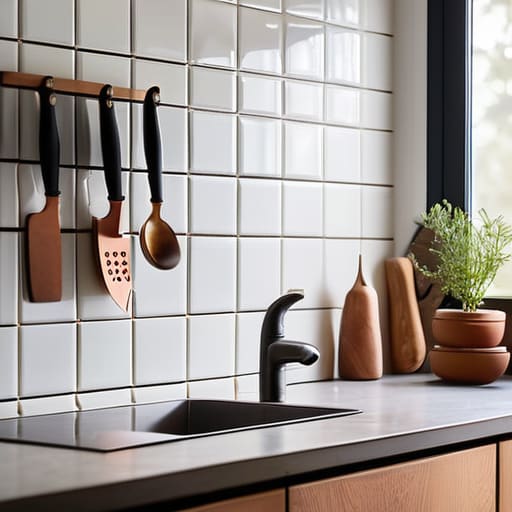
If your kitchen feels less like a gourmet chef’s sanctuary and more like the cluttered cargo hold of the Millennium Falcon, it’s time to rethink your layout. When you’re working with limited square footage, you have to stop thinking in two dimensions and start looking up. This is where vertical storage ideas for kitchens become your absolute best friend. I’m talking about magnetic knife strips that look like something out of a high-tech laboratory, or pegboards that turn your utensils into a functional piece of wall art. By reclaiming that unused wall space, you free up your precious surfaces for actual cooking.
Don’t let your precious ingredients get lost in a dark, bottomless void—that’s a recipe for a kitchen disaster. Instead, treat your pantry like a high-efficiency data center. Implementing some smart kitchen pantry organization hacks, such as tiered spice racks or clear, stackable containers, ensures everything is indexed and ready for immediate retrieval. When every jar has a designated coordinate, you aren’t just cleaning; you’re optimizing your entire culinary operating system for maximum efficiency.
The Five Pillars of Your Culinary Command Center
- Deploy Vertical Storage Modules: If you aren’t using your walls, you’re wasting precious real estate. Think of magnetic knife strips or pegboards like the specialized tool racks in a Jedi workshop—everything stays within arm’s reach, and your counter space stays clear for actual cooking.
- Implement the “Prime Directive” of Decluttering: Just like a starship can’t carry unnecessary cargo during a warp jump, your kitchen can’t function with gadgets you haven’t touched since the last solar eclipse. If that specialized avocado slicer hasn’t seen the light of day in a year, it’s time to jettison it.
- Utilize Modular Drawer Organizers: Stop letting your utensil drawer become a chaotic black hole where forks and spoons vanish into a singularity. Use dividers to create dedicated docking stations for every tool, ensuring everything has a precise coordinate for quick retrieval.
- Master the Art of Tiered Shelving: Don’t let your spices or canned goods get lost in the “lower levels” of your pantry. Using tiered risers is like setting up a multi-level docking bay; it ensures every single item is visible and accessible without a full-scale excavation mission.
- Leverage Under-Cabinet Lighting: Even the most advanced tech fails in the dark. Installing simple LED strips under your cabinets is like upgrading your ship’s sensor array—it illuminates your workspace and makes even the tightest corners feel much more expansive and navigable.
Mission Accomplished: Your Kitchen, Reimagined
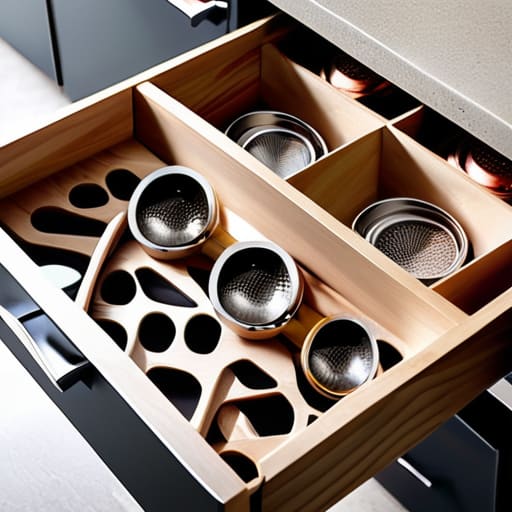
At this stage of our mission, we’ve successfully upgraded your interior hardware and deployed specialized storage units to reclaim every square inch of your culinary micro-universe. We’ve moved past the chaos of a disorganized galley and transitioned into a streamlined, high-efficiency command center. By treating your cabinets like modular ship compartments and utilizing vertical space like a well-programmed algorithm, you’ve effectively optimized your spatial coordinates. Remember, it’s not just about stashing spices; it’s about ensuring that every tool and gadget has its designated docking station so you aren’t hunting for a spatula like a lost droid in a desert wasteland.
As you step back to survey your newly organized domain, try not to feel overwhelmed by the technicality of it all. Transforming a cramped kitchen is a lot like building a custom drone from scratch—it takes a bit of trial, error, and a whole lot of fine-tuning, but the flight is so much smoother once the systems are calibrated. Don’t worry if your setup isn’t “perfectly programmed” on day one; even the most advanced starships required a few software patches to get running smoothly. The goal is to create a space that fuels your creativity rather than draining your battery. Now, go forth, cook something legendary, and enjoy your upgraded cockpit!


Dry Wood? How to Oil and Maintain Butcher Block Countertops
A Step-by-step Guide to Deep Cleaning and Organizing Your Fridge

No Space? No Problem: Building a Compact Home Gym in an Apartment
About The Author

Ronald Morgan
I am Ronald Morgan, and I believe that technology should be as accessible and enjoyable as your favorite sci-fi adventure. With a background deeply rooted in the innovation of Silicon Valley and a passion for storytelling, I strive to make sense of modern tech by blending technical expertise with a playful narrative. My mission is to demystify the digital world, turning complex concepts into engaging stories that ignite curiosity and empower you to explore the tech universe with confidence. Join me as we navigate this ever-evolving landscape, one whimsical reference at a time.