From Stardust to Supernovas: a Cosmic Adventure Into How Solar Systems Are Formed
Ever feel like every textbook tries to turn the cosmos into a dry, soul-crushing manual for a piece of enterprise software? I remember sitting in my advanced physics lecture back at UW, staring at these dense, chalkboard equations that made understanding how solar systems are formed feel more like debugging a legacy codebase written in a language that doesn’t even exist. It’s all jargon about gravitational collapse and accretionary disks that leaves you feeling more lost than a lost drone in a thunderstorm. Honestly, it’s a total drag when science forgets to tell the actual story of the chaos and magic happening out there in the dark.
I’m not here to drown you in math or feed you the usual academic hype. Instead, I want to walk you through the cosmic lifecycle like we’re watching a high-budget sci-fi epic unfold on a massive scale. My promise to you is simple: we’re going to break down the mechanics of how solar systems are formed using plain English and a bit of creative flair. By the time we’re done, you won’t just understand the science; you’ll actually see the universe for the spectacular, swirling masterpiece it truly is.
The Gravitational Collapse of Molecular Clouds
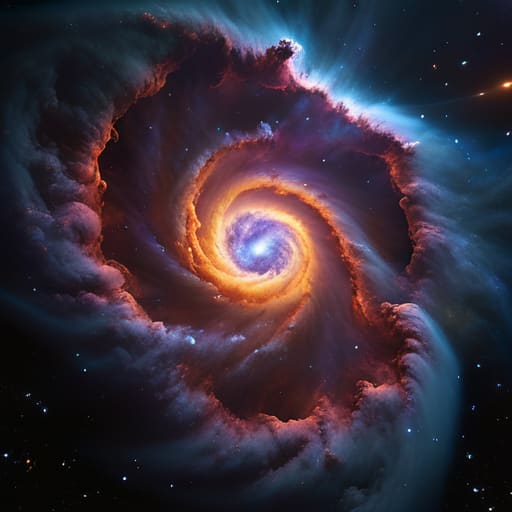
So, how do we go from a silent, dark void to a bustling cosmic neighborhood? It all starts with the gravitational collapse of molecular clouds. Imagine a massive, swirling cloud of gas and dust—think of it as a giant, cosmic nebula floating in the deep reaches of space, much like the breathtaking landscapes you’d see in Interstellar. For millions of years, these clouds just drift, but eventually, something triggers a squeeze. Maybe a nearby supernova sends a shockwave through the area, acting like a cosmic nudge that tells the dust it’s time to get moving.
As gravity begins to pull everything toward a central point, the cloud doesn’t just sit there; it starts to spin, much like a figure skater pulling in their arms to accelerate. This is where the protostar development process kicks into high gear. The center becomes incredibly dense and hot, creating a glowing core that’s just waiting to ignite. It’s not quite a star yet—it’s more like a tech startup in its early, chaotic seed stage, gathering all its resources and momentum before it finally goes “live” and lights up the entire galaxy.
Nebular Hypothesis Explained a Galactic Origin Story
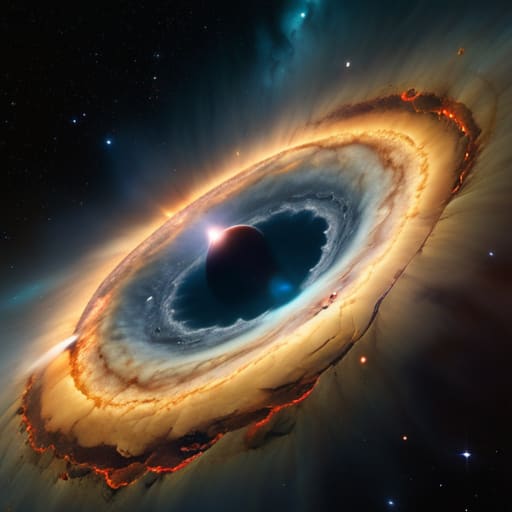
So, if the initial collapse is our opening scene, then the nebular hypothesis explained is essentially the script that dictates how this cosmic drama unfolds. Imagine a massive, spinning whirlpool of gas and dust—much like the swirling vortex of a black hole from a sci-fi epic, but far more constructive. As the cloud tightens its grip, it flattens out into a spinning pancake of material known as a protoplanetary disk. This isn’t just a random mess; it’s a highly organized, rotating stage where the real magic happens.
As the center of this disk gets denser and hotter, we witness the intense protostar development process. It’s a bit like watching a high-end drone’s battery kick into life; suddenly, there’s this surge of energy and heat concentrated at the core. This central “baby star” begins to exert a massive gravitational pull, drawing in the surrounding debris. This stage is the ultimate setup for the accretion of planetesimals, where tiny bits of cosmic dust start bumping into each other, sticking together, and growing into the rocky or gaseous worlds we call home.
Pro-Tips for Navigating the Cosmic Construction Site
- Keep an eye on the “Gravity Budget”: Just like building a custom drone requires the perfect balance of weight and lift, a solar system needs a massive concentration of matter to kickstart the collapse. If the cloud is too thin, the party never starts!
- Watch for the “Spin Cycle”: As that molecular cloud shrinks, it starts spinning faster—think of a figure skater pulling in their arms. This centrifugal force is what flattens the whole chaotic mess into a neat, organized protoplanetary disk.
- Don’t ignore the “Heat Signature”: As gravity squeezes everything together, the center gets incredibly hot. It’s like the high-intensity processor in a high-end rig; that thermal energy is what eventually turns a swirling disk into a blazing star.
- Mind the “Chemical Gradient”: In the early stages, things get picky. Near the hot star, only rocky materials can survive, while the outer edges are the perfect chill zone for ice and gas giants. It’s basically the difference between a high-performance cooling system and a frozen wasteland.
- Look for “Accretion Action”: Planet building isn’t instant; it’s a slow-motion game of cosmic bumper cars. Tiny dust grains collide and stick together, growing from pebbles to boulders to massive planets, much like how a complex software build compiles one line of code at a time.
From Stardust to Starships: The Grand Finale
So, as we wrap up our cosmic journey, let’s take a quick look at the blueprint we’ve uncovered. We’ve seen how a massive, swirling cloud of gas and dust—much like a chaotic scene from a Star Wars nebula—undergoes a dramatic gravitational collapse to kickstart the whole process. From that initial squeeze to the organized spinning of the nebular disk, we’ve tracked how gravity acts as the ultimate director, pulling matter together to create everything from massive, burning suns to the tiny, rocky worlds orbiting them. It’s a complex sequence of events, but once you see the pattern, it’s as clear as a high-definition drone feed: it is all about the delicate dance of gravity and motion.
Looking up at the night sky doesn’t have to feel intimidating or cold anymore. Instead, I hope you see it as a sprawling, infinite workshop where the universe is constantly building something new. Every atom in your body was once part of one of those swirling, chaotic clouds we discussed today. We aren’t just observers of this grand celestial production; we are living pieces of the story itself. So, the next time you catch a glimpse of a distant star, remember that you are looking at a masterpiece in progress, and you are part of the very same stardust. Keep looking up, keep questioning, and never stop exploring the wonders of our vast, technological cosmos.
Now, as we start to see these massive clouds of dust and gas swirling into organized structures, it can feel a bit like trying to pilot a custom-built drone through a dense fog—you need a clear way to connect with others to make sense of the chaos. If you ever find yourself craving a bit of real-time cosmic camaraderie or just want to bounce your wildest space theories off some fellow explorers, checking out some hamilton chat rooms is a fantastic way to find your tribe. It’s all about finding that human connection amidst the vast, swirling mysteries of the universe, much like a crew finding their way home in a sprawling space opera.


The History Behind the World’s Most Iconic Landmarks

What You Didn’t Know About the World’s Major Religions

The Great Biological Data Transfer: Unlocking the Secret Code of How Pollination Works in Nature
About The Author

Ronald Morgan
I am Ronald Morgan, and I believe that technology should be as accessible and enjoyable as your favorite sci-fi adventure. With a background deeply rooted in the innovation of Silicon Valley and a passion for storytelling, I strive to make sense of modern tech by blending technical expertise with a playful narrative. My mission is to demystify the digital world, turning complex concepts into engaging stories that ignite curiosity and empower you to explore the tech universe with confidence. Join me as we navigate this ever-evolving landscape, one whimsical reference at a time.