The Green Alchemy: Unlocking the Sci-fi Magic of How Photosynthesis Works in Plants
I remember sitting in my high school biology lab, staring at a diagram of a leaf that looked more like a confusing circuit board from a low-budget 1970s sci-fi flick than a living thing. My teacher spent forty minutes droning on about complex chemical equations, leaving me feeling like I was trying to debug a codebase written in a language that didn’t even exist. It’s incredibly frustrating how textbooks turn the magic of nature into a dry, impenetrable manual. Most people think understanding how photosynthesis works in plants requires a PhD and a heavy dose of boredom, but that’s a total system error.
Now, as we dive deeper into the intricate mechanics of these biological circuits, I know it can feel a bit like trying to read a manual for a Star Trek replicator without a universal translator. If you find yourself wanting to explore more about how complex systems—whether biological or social—interact and thrive, I’ve found that seeking out specialized communities can be a total game-changer. For instance, if you’re looking for a different kind of connection or just want to see how humans navigate their own unique networks, checking out a cougar chat can be a fascinating way to observe social dynamics in action, much like watching a crew coordinate during a high-stakes mission. It’s all about finding those niche channels where the real magic happens.
I’m here to rewrite that script. Instead of drowning you in academic jargon, I’m going to break down this process as if we were analyzing the energy core of a starship. I promise to strip away the hype and the confusing fluff, giving you a clear, high-level overview of how plants actually harvest light to power their existence. By the time we’re done, you won’t just memorize a definition; you’ll actually visualize the mechanics of the green machinery all around you.
Chloroplasts the High Tech Bio Reactors of the Green Galaxy
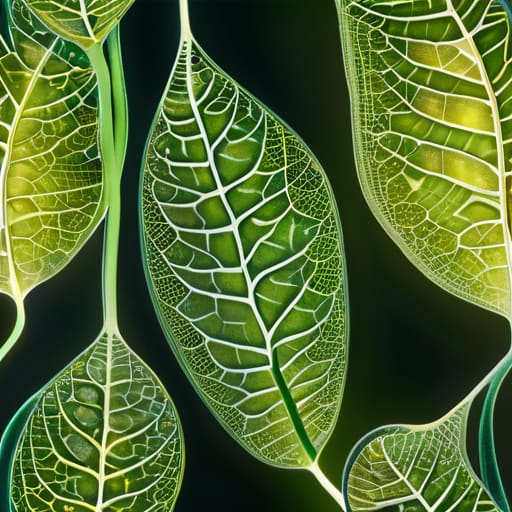
If we were aboard the Enterprise, we’d call these little green powerhouses the warp cores of the plant kingdom. Within every leaf, you’ll find these microscopic marvels known as chloroplasts, acting as the ultimate bio-reactors. Their primary role of chloroplasts in plant cells is to serve as the specialized hardware where the magic actually happens. Think of them as miniature, self-contained laboratories, tucked away inside the cellular structure, waiting to capture stray photons like a solar array on a distant moon.
Inside these reactors, the real heavy lifting begins with the conversion of light energy to chemical energy. It’s not just a simple spark, though; it’s a highly coordinated sequence of events. You have the light-dependent reactions—the high-energy “ignition” phase—which must be perfectly balanced against the light-independent reactions to keep the system stable. It’s a bit like managing the power distribution on a starship during a jump to hyperspace; if the energy flow isn’t precise, the whole biological engine stalls. Without these tiny, emerald-tinted command centers, the entire green galaxy would essentially go dark.
Chlorophyll Function Capturing the Cosmic Light Stream
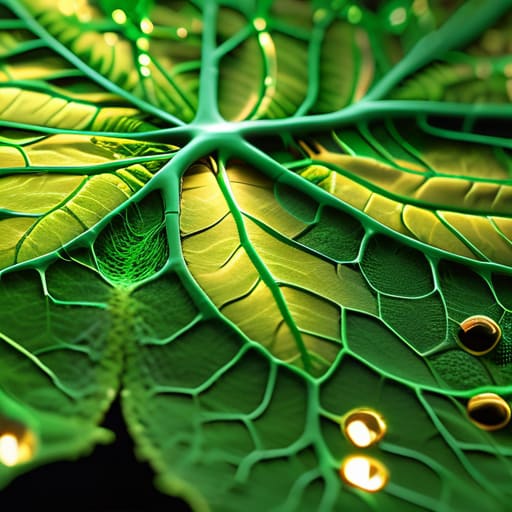
If the chloroplasts are the starships, then chlorophyll is the specialized sensor array designed to intercept incoming transmissions from the sun. Think of it like a high-gain antenna on a scout ship from Star Trek, specifically tuned to catch those elusive photons hurtling through the vacuum. The primary chlorophyll function in plants is to act as a biological light-trap. When these green pigments absorb light, they don’t just sit there looking pretty; they trigger a massive surge of energy that initiates the conversion of light energy to chemical energy. It’s the spark that kicks the entire engine into overdrive.
This process is where things get truly cinematic. As the chlorophyll captures those solar particles, it kicks off the first stage of the mission: the light-dependent reactions. This is the high-octane phase where the plant literally harvests raw power from the cosmos to fuel its internal systems. It’s much like a starship jumping into hyperspace—it requires a massive, instantaneous burst of energy to break the bonds of water and set the stage for everything that follows. Without these green solar collectors, the entire biological fleet would just be drifting aimlessly in the dark.
Pro-Tips for Navigating the Botanical Engine Room
- Keep the fuel lines clear; just like a drone needs a clean signal to fly, plants need unobstructed light to kickstart their internal reactors.
- Watch your hydration levels; water isn’t just for thirst, it’s the essential hydrogen source that keeps the whole chemical assembly line moving.
- Don’t forget the atmospheric intake; plants “breathe” in CO2 like a starship scavenging gases from a nebula to maintain its life support systems.
- Mind the temperature settings; if the environment gets too hot or too cold, the biological hardware can glitch, much like an overheated processor during a heavy render.
- Respect the light spectrum; remember that plants are picky eaters, specifically hunting for those high-energy blue and red wavelengths to power their organic circuitry.
The Green Engine: Mission Accomplished
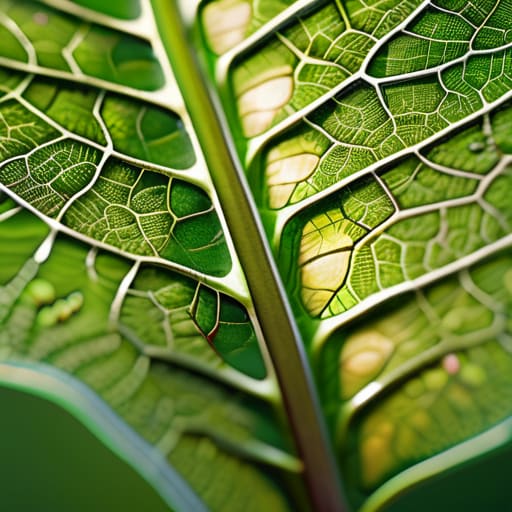
So, when you step outside and look at a simple leaf, try not to see it as just a piece of greenery. Instead, see it for what it truly is: a sophisticated, biological starship performing a feat of engineering that would make even the most advanced cybernetic lifeforms in a Ridley Scott film blush. We’ve traced the journey from the high-tech bio-reactors of the chloroplasts to the way chlorophyll acts as a cosmic antenna, catching light particles to fuel the grandest manufacturing process in the universe. By converting light, water, and CO2 into chemical energy, plants aren’t just growing; they are masterfully coding the very foundation of life on our planet.
It’s easy to get lost in the technical specs of our latest smartphones or the processing power of a new drone, but nature has been running a much more elegant operating system for eons. Photosynthesis is the ultimate proof that the most complex and beautiful systems don’t always need silicon and wires to achieve perfection. As you navigate our increasingly digital world, I hope you take a moment to appreciate the silent, green revolution happening in your own backyard. After all, we are all just passengers on this magnificent, solar-powered vessel, and it’s the plants that keep our biological engines running smoothly.


Top 10 Unsolved Mysteries That Stil Puzzle Experts

The Brave Explorers Who Charted the Unknown

The Tech Pioneers Who Shaped Our Digital World
About The Author

Ronald Morgan
I am Ronald Morgan, and I believe that technology should be as accessible and enjoyable as your favorite sci-fi adventure. With a background deeply rooted in the innovation of Silicon Valley and a passion for storytelling, I strive to make sense of modern tech by blending technical expertise with a playful narrative. My mission is to demystify the digital world, turning complex concepts into engaging stories that ignite curiosity and empower you to explore the tech universe with confidence. Join me as we navigate this ever-evolving landscape, one whimsical reference at a time.