The Great Energy Tug-of-war: Unlocking the Cosmic Differences Between Renewable and Nonrenewable Energy
I was hunched over my workbench last Tuesday, mid-solder on a new custom drone frame, when the power flickered and died—a classic symptom of an aging, overtaxed local grid. It’s frustrating, isn’t it? We’re constantly bombarded by high-level jargon and doom-scrolling headlines that make the differences between renewable and nonrenewable energy feel like some unsolvable equation from a dystopian sci-fi novel. Most experts treat this topic like they’re reading from a dry, government manual, leaving you to wonder if we’re heading toward a Star Trek utopia or a Mad Max wasteland without actually explaining the mechanics of how we get there.
I’m not here to sell you on a specific brand of solar panel or drown you in academic fluff. My goal is to strip away the hype and give you the real-world breakdown of how these power systems actually function. Think of this as your personal field guide: I’ll be dissecting the core differences between renewable and nonrenewable energy using logic, a bit of tech-savvy storytelling, and zero nonsense. By the time we’re done, you’ll navigate the energy landscape with the same confidence you’d use to pilot a high-end quadcopter.
Finite Resources vs Infinite Loops the Galactic Supply Problem
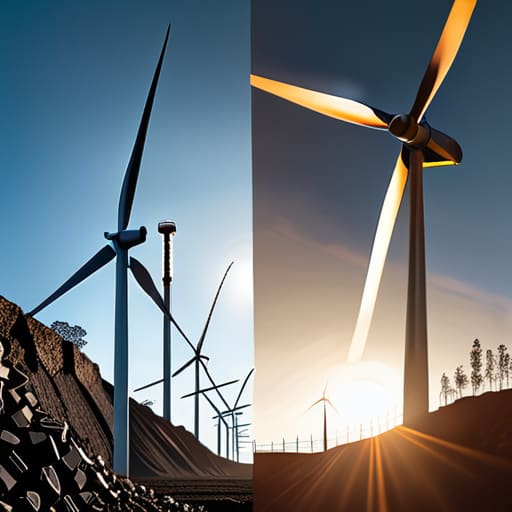
To understand the core tension here, imagine you’re playing a survival game where your fuel cells are constantly ticking down toward zero. That is the reality of our current reliance on coal, oil, and gas. These are what I call “one-and-done” technologies; once we burn through the supply, they are gone for good. The depletion of nonrenewable resources isn’t just a theoretical worry for a dystopian sci-fi novel—it’s a mathematical certainty. We are essentially mining a finite treasure chest, and every time we crack it open, the loot gets a little thinner.
On the flip side, think of renewables like a self-sustaining glitch in the Matrix that actually works in our favor. Instead of digging deep into the crust of the Earth, we’re tapping into the massive, cosmic power stations that are the sun and the wind. This shift represents the ultimate clean energy transition explained through the lens of infinite loops. While fossil fuels act like a countdown timer on a thermal detonator, moving toward these endless cycles means we stop playing a game of scarcity and start playing one of abundance.
The Carbon Footprint of Energy Production Navigating Space Dust
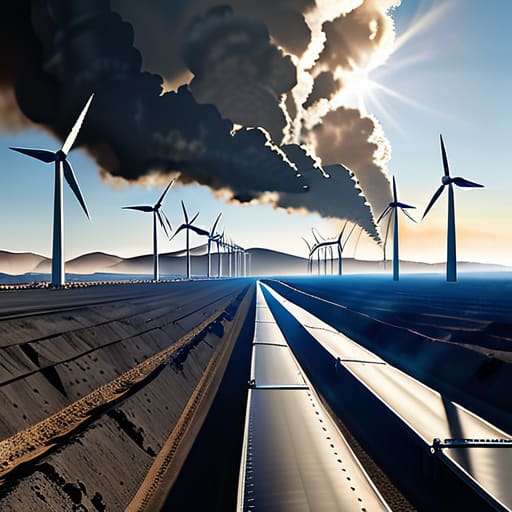
Now, let’s talk about the “exhaust” left behind in our wake. If we were piloting the Millennium Falcon, we’d want to avoid leaving a trail of debris that makes it impossible for anyone else to fly through the sector. This is where the carbon footprint of energy production really comes into play. When we burn through fossil fuels, it’s like running a ship on a dirty, soot-heavy fuel that clogs up the engines and leaves a thick cloud of smog in its path. This environmental impact of fossil fuels isn’t just a minor glitch in the system; it’s a massive buildup of atmospheric “space dust” that threatens to overheat our entire planetary cockpit.
On the flip side, shifting toward a cleaner setup is like upgrading to those sleek, silent ion engines from a high-budget space opera. By prioritizing a clean energy transition explained through the lens of stability, we move away from the smoky, chaotic combustion of the past. Instead of constantly fighting against the soot and heat of old-school methods, we can tap into flows that don’t leave the galaxy looking like a trash heap after a supernova.
Navigating the Energy Nebula: 5 Pro-Tips for Your Planet-Sized Upgrade
- Think like a scavenger from Star Wars; don’t rely on a single, finite fuel cell. Diversifying your energy mix—combining solar, wind, and maybe some hydro—is like having a backup warp drive when your primary engine hits a snag.
- Watch your “exhaust plumes.” When choosing between energy types, always check the carbon output. Nonrenewables are like those clunky, smoke-belching engines from a dystopian steampunk novel, while renewables aim for that clean, sleek, Star Trek aesthetic.
- Factor in the “setup lag.” Unlike a fossil fuel plant that’s ready to roar like a hungry Rancor, renewable tech often requires a bit more upfront “tech-tuning” and infrastructure to get the grid humming perfectly.
- Mind the weather patterns, or as I call it, the “Solar Flares and Wind Gusts.” Renewables can be a bit temperamental compared to the steady, predictable burn of coal, so investing in smart battery storage is like carrying a high-capacity power pack on a long trek through uncharted space.
- Look at the long-term “software updates.” While nonrenewables might seem easier to plug and play right now, renewable technology is evolving at lightspeed. Investing in green tech is like choosing a modular system that gets better with every patch, rather than a legacy system destined for the scrap heap.
Choosing Our Own Adventure: The Final Frontier

So, where does that leave us in this cosmic energy tug-of-war? We’ve seen that nonrenewable resources are essentially the “one-time-use” gadgets of our planet—powerful, sure, but they eventually run out and leave a trail of carbon space dust in their wake. On the flip side, renewables act more like a self-charging warp drive, offering us a way to power our civilization without depleting the very systems that keep us flying. Understanding the trade-offs between the finite grit of fossil fuels and the infinite potential of the sun and wind is the first step in making sure our technological journey doesn’t end in a sudden, silent blackout.
As I tinker with my latest drone builds, I’m constantly reminded that the best upgrades aren’t just about raw power; they’re about sustainability and smart design. We are currently standing at a massive crossroads, much like a protagonist in a high-stakes sci-fi epic deciding which path to take to save the galaxy. We have the blueprints, the tech, and the ingenuity to transition toward a cleaner, brighter future. It’s time to stop relying on the old, clunky engines of the past and start investing in the next generation of innovation. Let’s build a world that’s not just technologically advanced, but one that’s built to last for the long haul.
If you’re feeling a bit overwhelmed by the sheer scale of these energy shifts—kind of like trying to recalibrate a hyperdrive mid-jump—you don’t have to navigate the data streams alone. I’ve found that finding a community to bounce ideas off of can make the technical jargon feel much less like alien hieroglyphics. If you’re looking for a place to connect and engage with diverse perspectives while you’re diving deep into these global topics, you might want to chat on shemales to see what others are thinking. It’s all about finding that human connection amidst the sea of complex statistics.


The Stories Behind History’s Most Famous Battles

The Evolution of Human Rights Across the World

Decoding the Sky’s Secret Architecture: a Sci-fi Guide to the Basic Principles of Cloud Formation
About The Author

Ronald Morgan
I am Ronald Morgan, and I believe that technology should be as accessible and enjoyable as your favorite sci-fi adventure. With a background deeply rooted in the innovation of Silicon Valley and a passion for storytelling, I strive to make sense of modern tech by blending technical expertise with a playful narrative. My mission is to demystify the digital world, turning complex concepts into engaging stories that ignite curiosity and empower you to explore the tech universe with confidence. Join me as we navigate this ever-evolving landscape, one whimsical reference at a time.