Set Up Your Smart Home in 3 Easy Steps
One evening, as the sun set, I realized how complicated my life had become. Rushing home, I’d adjust the thermostat and turn on lights. I had too many remote controls and gadgets. I thought, “There must be a simpler way.”
A friend showed me home automation. With a few IoT devices, my home changed forever.
Setting up a smart home was no longer just for tech fans or the rich. Solutions were easy to find! First, I picked the right smart home platform. Then, I chose the best devices and made sure they worked well together.
Let’s explore the three simple steps to set up your smart home. It’s time to make your life easier and your home better!
Key Takeaways
- Home automation makes controlling your house easier and more efficient.
- The right IoT devices can drastically reduce your energy bills.
- Choosing a smart home platform is key for compatibility.
- Voice assistants help manage devices better.
- Smart plugs and lighting can change old appliances.
Understanding Smart Home Ecosystems
Choosing a smart home ecosystem is the first step in my home automation journey. These systems determine how my devices talk to each other. Platforms like Google Home, Amazon Alexa, and Apple HomeKit offer unique benefits for different needs.
Google Home is known for its advanced voice assistant, handling complex commands well. Amazon Alexa, on the other hand, is great because it works with many devices and has built-in Zigbee support. This makes it versatile in connecting devices.
The Importance of Choosing the Right Platform
Choosing the right smart home ecosystem is key to managing devices easily. Each ecosystem has one app to control all devices, making things simpler. It’s important to think about compatibility and the voice assistant’s effectiveness when picking a platform.
The Matter standard, introduced in November 2022, helps devices from Amazon, Google, and Apple work together better. This makes me more confident in my device choices and future integrations.
Consider Third-Party Ecosystems
Looking into third-party ecosystems like SmartThings can add more device options. These platforms support a wide range of brands but might not offer the same smooth experience as major ecosystems. With over 55% of consumers worried about smart home security, it’s vital to know what each ecosystem can do.
Choosing the right ecosystem not only improves my smart home experience but also ensures my devices work well together.
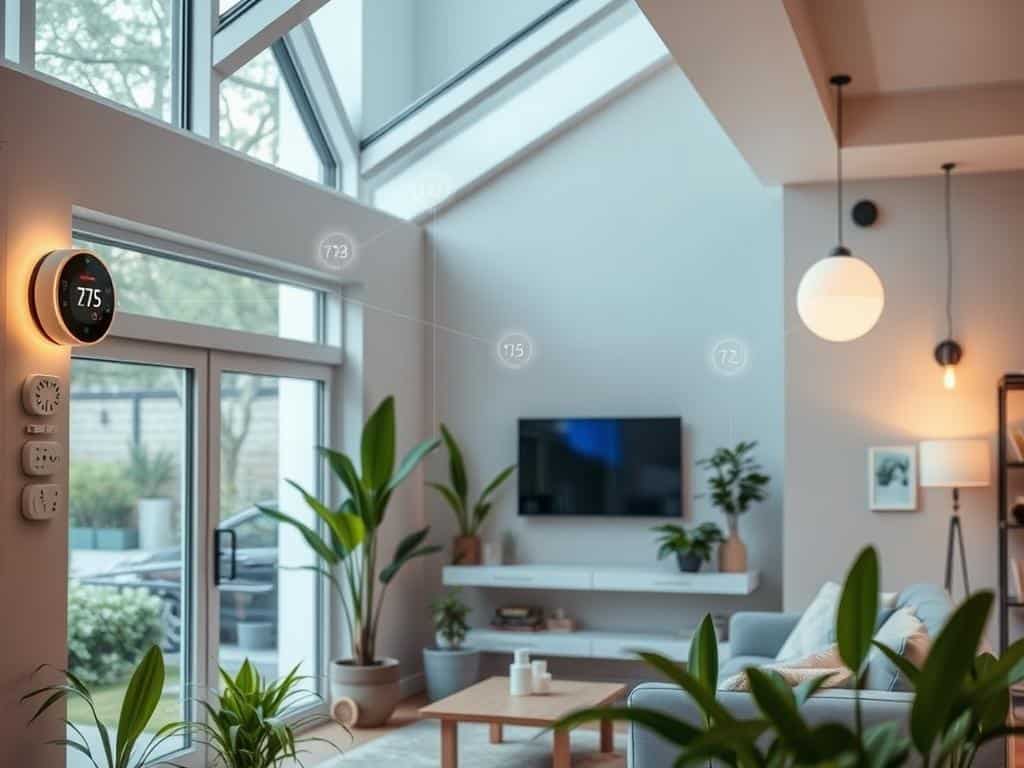
Home Automation: Selecting the Right Devices
Building a smart home begins with picking the right devices. The success of home automation depends on my initial choices. I focus on smart devices that make my daily life easier.
Investing in key devices like smart lights and smart plugs is wise. They offer quick benefits without breaking the bank.
Choosing Your Core Devices
Smart lights are a great starting point for home automation. They let me control lights from anywhere, set schedules, and even create mood lighting. Smart plugs turn regular appliances into smart devices, adding flexibility to my home.
Integration and Compatibility
It’s important to choose devices that work well together. I look for devices that are compatible with my smart hub. Using protocols like Zigbee or Z-Wave ensures they work together smoothly.
This focus on compatibility helps create a smart home that works well now and can grow with new tech.
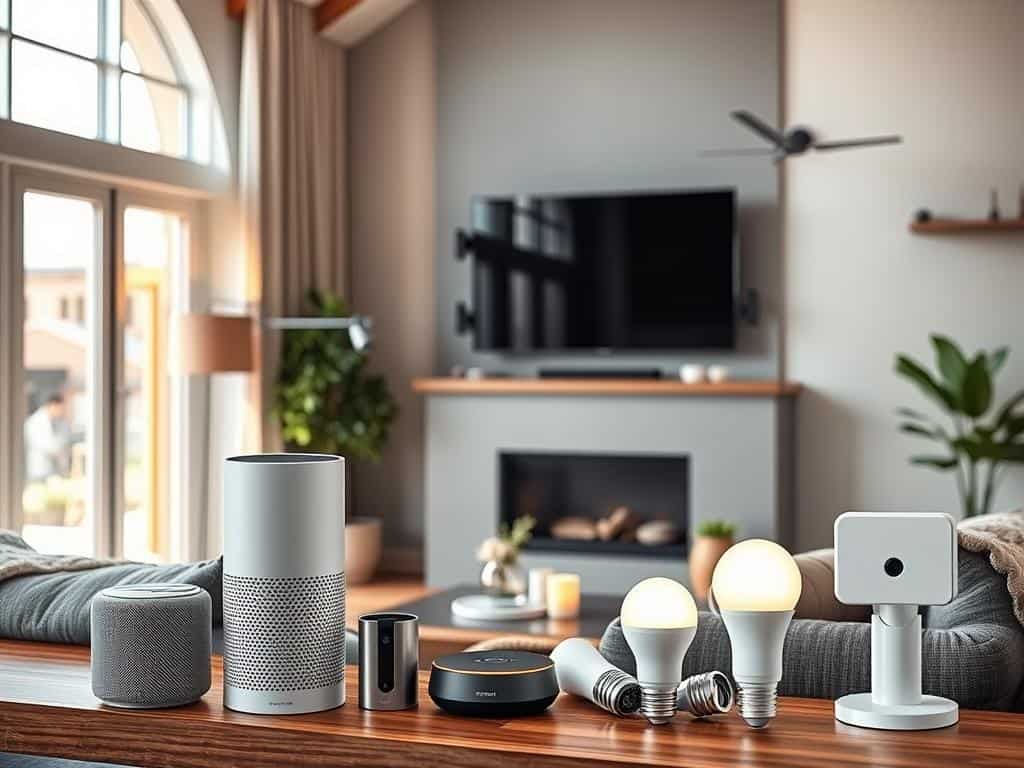
Setting Up and Connecting Your Devices
Setting up your smart devices and linking them to a smart hub is key for a smart home. The setup process changes based on the platform you choose, like Google Home, Amazon Alexa, or Apple HomeKit. Each has its own perks, but they all need a steady internet connection to work well.
Connecting Devices to Your Smart Hub
I start by linking my devices to the smart hub through their apps. Most devices pair easily through these apps. It’s important to have a strong Wi-Fi signal to keep all devices connected. Devices usually work on 2.4 GHz, but some newer ones might support faster options like 5 GHz or Wi-Fi 6E.
Creating Automations and Routines
After linking, I create automations and routines to make my life easier. For example, I set lights to turn on at sunset or adjust the thermostat when I’m home. These actions boost convenience and save energy. My smart hub also lets me explore more features, like using smart sensors for security or better energy use.
Conclusion
Setting up my smart home has changed my life for the better. It took careful planning and the right devices for seamless integration. Now, my home is not only easy to use but also saves energy.
Every step in my home automation journey has made my life more connected. Smart thermostats and sensors have improved my comfort and security. They also help me save energy, making my home more sustainable.
Smart home tech is getting easier to find and use. This means I can keep improving my home as my needs change. With the growing smart home market, I might even get discounts on insurance. This makes my smart home journey both smart and cost-effective.


Bake Like a Pro with These Simple Tips and Tricks

Master Professional Email Etiquette in Just 5 Minutes

How to Hack the Social Protocol: a Sci-fi Guide on How to Start a Conversation With a Stranger Without Glitching the System
About The Author
