How to Eat Healthy Without Sacrificing Flavor
It was a few years ago when I was in a grocery store, tired from a busy week. I had just been to a seminar by Maya Feller, a registered dietitian. She had inspired me to eat healthier. But, looking at the produce I didn’t like, I felt my motivation slipping.
Feller had talked about adding flavors we love to our meals. She also mentioned frozen veggies as a good choice for those without access to fresh ones. This made me think that healthy eating doesn’t mean giving up taste. Instead, I started using spices and cooking methods that made my food taste better.
This change not only updated my shopping list but also how I planned meals. It made every healthy meal a joy to eat.
Key Takeaways
- Healthy eating doesn’t mean sacrificing flavor; it’s about enriching meals with spices and herbs.
- Using frozen vegetables can be a practical and healthy choice when fresh options are limited.
- Meal prep can save time and help in sticking to a nutritious plan throughout a busy week.
- Planning meals and grocery lists ahead can prevent last-minute unhealthy decisions.
- Experiment with various seasonal ingredients to find combinations that excite your taste buds.
- Avoid purchasing foods just because they are labeled healthy; focus on what you genuinely enjoy.
Embracing Flavorful Healthy Eating
Enjoyable eating is more than just filling our bellies. It’s about the flavors that make our meals special. Healthy meals from different cultures can be both tasty and good for us. Exploring flavors from our heritage makes healthy eating a fun journey.
Understanding the Importance of Taste in Nutrition
Taste is key in what we choose to eat. Finding the right balance between taste and nutrition makes meals both satisfying and healthy. I try to mix essential nutrients with tasty flavors in my cooking.
Using fresh herbs and spices can turn simple dishes into something amazing. This way, healthy ingredients become the stars of the show.
Combining Cultural Preferences with Healthy Choices
Making healthy meals that honor our cultural roots is important. I update classic recipes with better ingredients. For example, I use olive or canola oil instead of unhealthy fats.
This change not only keeps the dishes we love but also fits my health goals. Mixing cultural traditions with healthy eating makes every meal a celebration of taste and nutrition.
Healthy Eating Guide: Creative Cooking Tips
Exploring creative cooking can make healthy eating fun. By using fresh herbs and spices, and changing cooking methods, I enjoy tasty, nutritious meals. Here are some tips to improve your cooking skills while staying healthy.
Using Fresh Herbs and Spices for Enhanced Flavor
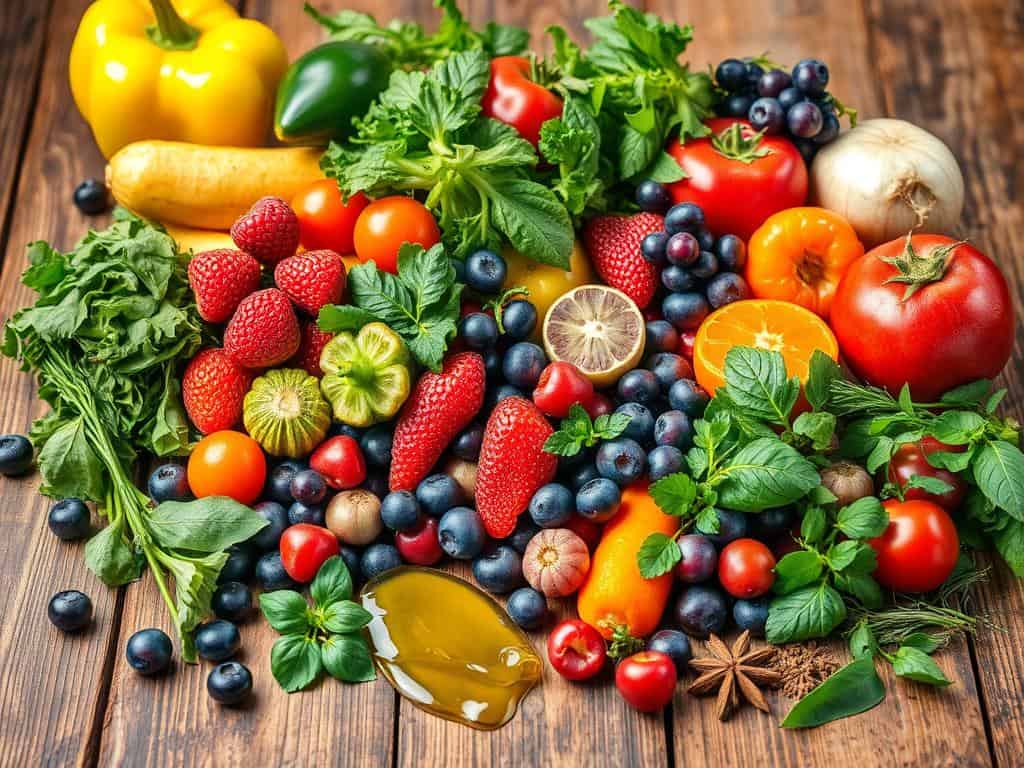
Adding fresh herbs to my dishes makes them taste better. Herbs like basil, cilantro, and parsley add great flavor without salt or unhealthy additives. This way, I can make healthy, tasty meals.
Fresh herbs are great with salads or roasted veggies. They make every meal more enjoyable.
Healthy Cooking Methods: Baking vs. Frying
Choosing healthy cooking methods boosts my meals’ nutrition. Baking, broiling, or grilling instead of frying cuts down fat but keeps flavors. For example, roasting veggies brings out their sweetness and keeps nutrients.
By picking the right cooking methods, I make healthy, tasty food. It’s all about balancing taste and health.
Substituting Unhealthy Ingredients with Nutritious Alternatives
Switching unhealthy ingredients for better ones changes my cooking. I choose whole grains over pasta for more fiber and nutrients. Plant-based proteins like beans and legumes are tasty and healthy.
These simple swaps make my favorite dishes healthier. It’s a win-win for taste and nutrition.
Meal Planning for Success
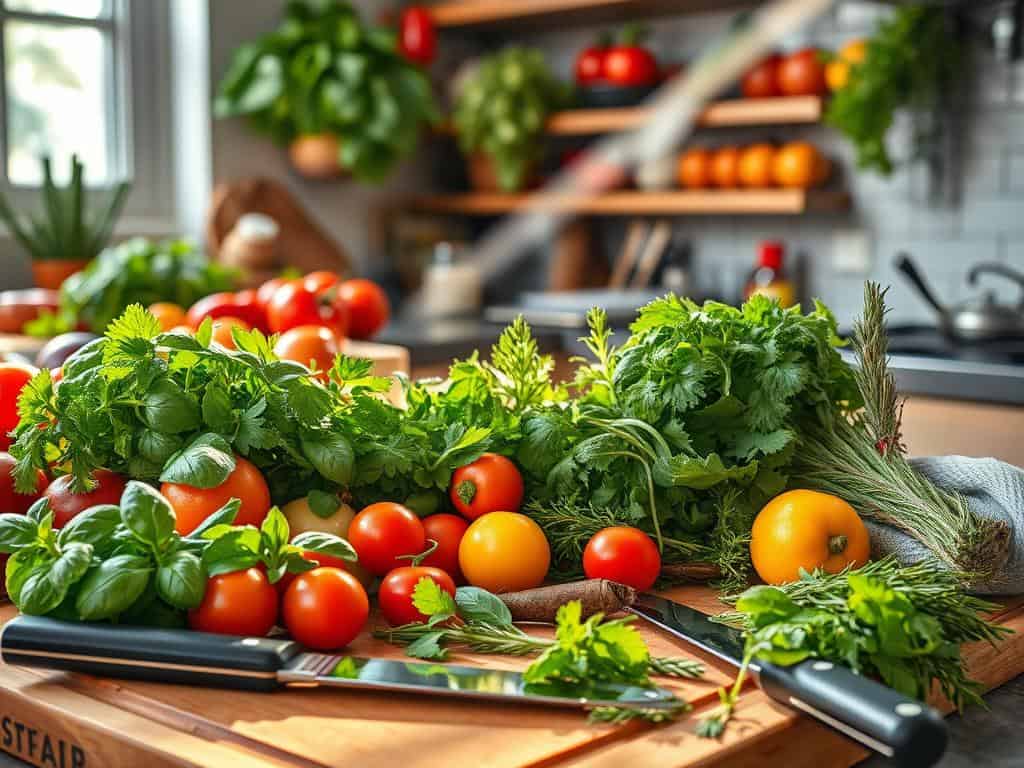
Effective meal planning helps you live healthier while keeping dining fun. By meal prepping, you always have healthy food ready. This makes it easier to skip unhealthy, quick choices.
Having a plan helps you manage your grocery list better. This saves time and reduces stress during the week.
The Benefits of Meal Prepping
Meal prepping makes cooking easier and gives you more flexibility. Spending a few hours on the weekend to prep meals for the week is worth it. Using leftovers can also save time.
With good planning, you can try different proteins like beans, tofu, chicken, and fish. Make sure your meals have lots of veggies and healthy grains.
How to Plan Meals and Grocery Lists Effectively
When planning meals, think about how long food stays fresh. Some foods last two days, while others can last up to five days. Some items, like eggs and apples, can last a week or more.
Plan your grocery list based on how long food lasts. This way, you can keep your pantry stocked with essentials like grains, nuts, canned goods, and spices. This helps you stick to your diet and get enough fiber from whole foods.
Conclusion
Reflecting on my journey to healthy eating, I’ve found that you don’t have to give up flavor. The main healthy eating tips show that taste matters a lot. I’ve learned that exploring different cultures’ cooking traditions can make meals both tasty and healthy.
By using spices and fresh herbs, I’ve made simple dishes into something special. This has changed how I see cooking. It’s not just about what I use, but how I use it.
Choosing to bake instead of fry and adding whole grains to my meals has helped me eat better. Eating more fruits, veggies, and healthy fats has made my food more enjoyable. It also brings health benefits.
Healthy eating is about making choices that are good for you and taste great. I aim for a balanced meal with lots of color, lean proteins, and whole grains. This approach makes my life healthier and more enjoyable.
Healthy eating is a journey that’s rewarding and doesn’t feel like a sacrifice. It’s all about finding the right balance for a better life.


Don’t Get Caught in a Glitch: a Galactic Guide on How to Spot a Fake Profile Before They Hack Your Reality

How to Start a YouTube Channel and Grow Fast

DIY Car Maintenance: Keep Your Vehicle Running Smoothly
About The Author
