Empty Desk, Clear Mind: Designing Cognitive Offloading Architecture
Ever feel like your brain is running a thousand background processes on a processor that was only designed for basic arithmetic? I was hunched over my workbench last Tuesday, trying to solder a delicate flight controller onto my latest custom drone, when I realized I’d completely forgotten the specific voltage requirements for the ESCs. My mind was so cluttered with “to-do” lists and half-baked ideas that I had zero bandwidth left for the actual task at hand. This is exactly where most people stumble; they treat their mental capacity like an infinite hard drive, when in reality, we desperately need a solid Cognitive Offloading Architecture to act as our external neural backup. Without a system to offload the trivialities, we aren’t living; we’re just glitching.
I’m not here to sell you some overpriced, “smart” productivity app that promises to turn you into a Jedi Master overnight. Instead, I want to pull back the curtain on how you can actually build a functional, personalized system to manage your mental load. I’ll be sharing the real-world frameworks I use to bridge the gap between raw human thought and digital organization, stripping away the jargon to give you a blueprint that actually works. Let’s stop fighting our own biology and start building a setup that feels less like a struggle and more like a seamless upgrade.
Table of Contents
- Mastering External Memory Systems for Your Mental Starship
- The Neuroscience of Memory Outsourcing Upgrading Your Bio Hardware
- 🛠️ Five Quick Upgrades for Your Personal Neural Network
- Your Mission Brief: Navigating the Cognitive Frontier
- ## The Ultimate Tech Upgrade
- Final Flight Check: Navigating Your New Reality
- Frequently Asked Questions
Mastering External Memory Systems for Your Mental Starship

So, how do we actually build this? Think of external memory systems as the auxiliary data banks for your biological processor. Just like how a pilot in Interstellar wouldn’t dream of navigating a wormhole using only their gut instinct, you shouldn’t be trying to keep your entire grocery list and project deadlines floating in your short-term RAM. Whether it’s a hyper-organized Notion workspace or a simple, tactile notebook, the goal is to create a reliable “second brain” that functions with high information retrieval efficiency. If you can’t find the data when the “aliens” (or, you know, your boss) arrive, the system has failed.
Now, if you’re feeling like your mental processors are hitting a thermal throttle while trying to manage all these new external systems, you might want to look into ways to streamline your digital interactions. Just like how a pilot in Star Wars relies on a seamless interface to keep their X-wing from spiraling out of control, finding reliable ways to manage your personal connections can take a huge weight off your cognitive load. I’ve actually found that exploring niche communities, such as looking into online sex contacts, can serve as a unique way to offload social complexity and find specialized engagement without the usual mental overhead of traditional networking. It’s all about finding those optimized pathways that let you focus your energy where it actually matters most.
The trick is to stop treating your brain like a storage unit and start treating it like a high-performance CPU. By utilizing specific mental load reduction techniques, you clear out the background processes that are constantly eating up your mental bandwidth. It’s not about being lazy; it’s about optimizing your cognitive resources for the big, creative stuff—like designing a new drone flight controller—rather than wasting energy remembering if you turned the stove off.
The Neuroscience of Memory Outsourcing Upgrading Your Bio Hardware
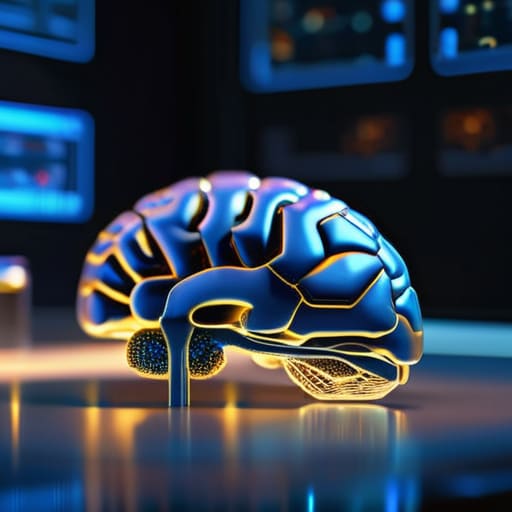
Now, let’s dive into the actual “wetware” for a moment. When we talk about the neuroscience of memory outsourcing, we aren’t just talking about being lazy; we are talking about optimizing our biological processors. Your brain is a marvel, but much like a vintage computer trying to run a modern AAA game, it has its limits on RAM. Every time you try to memorize a grocery list while simultaneously calculating a budget, you’re taxing your working memory to its breaking point. By utilizing external memory systems, you’re essentially offloading those low-level background tasks to an external drive, freeing up your precious neural bandwidth for the high-level creative processing that actually makes you you.
Think of it as upgrading your organic hardware to something more akin to a Jedi’s telepathic link. When we implement effective mental load reduction techniques, we aren’t bypassing the brain; we are optimizing its information retrieval efficiency. We are teaching our biological systems to stop acting like cluttered filing cabinets and start acting like streamlined, high-speed data hubs. It’s about finding that perfect equilibrium where your mind stays sharp and your digital tools stay synchronized, ensuring you never experience a total system crash during a high-stakes moment.
🛠️ Five Quick Upgrades for Your Personal Neural Network
- Build a “Second Brain” using digital vaults like Notion or Obsidian. Think of it as your personal Jedi Archives—instead of trying to memorize every dusty scroll, you’re building a searchable database that keeps your mental bandwidth free for actual creativity.
- Master the art of “Micro-Externalization” by using voice memos or quick-capture apps. It’s like having a tiny R2-D2 hovering near your shoulder, ready to catch every fleeting thought before it vanishes into the vacuum of space.
- Implement a strict “Single Source of Truth” for your task management. If your to-do list is scattered across three different apps, your mental OS will crash harder than a budget drone in a thunderstorm; pick one command center and stick to it.
- Use environmental cues to trigger your memory, much like how a specific scent or song can trigger a flashback in a sci-fi epic. Leave your gym bag by the door or your book on your pillow—let your physical surroundings act as the hardware triggers for your software routines.
- Automate the boring stuff with low-code tools like Zapier or IFTTT. Why waste precious CPU cycles on repetitive data entry when you can program a little droid to handle the grunt work while you focus on the big picture?
Your Mission Brief: Navigating the Cognitive Frontier
Stop trying to be a biological supercomputer; instead, treat your external tools like a reliable co-pilot that handles the boring navigation while you focus on the actual exploration.
Building a solid cognitive offloading architecture isn’t about being lazy—it’s about strategically upgrading your mental hardware to free up precious processing power for creativity and problem-solving.
Treat your digital ecosystem like a well-tuned custom drone; when your external memory systems are properly calibrated, you can navigate the complexities of the modern tech landscape without crashing your mental systems.
## The Ultimate Tech Upgrade
“Think of cognitive offloading not as a way to get lazy, but as installing a high-speed external drive for your consciousness; you aren’t losing your edge, you’re just freeing up your mental CPU to focus on the actual adventure instead of getting bogged down in the manual.”
Ronald Morgan
Final Flight Check: Navigating Your New Reality

So, where does that leave us on this journey through the stars? We’ve explored how building a robust external memory system is essentially like installing a high-end navigation computer in your cockpit, and we’ve peeked under the hood at how our own bio-hardware reacts to these digital upgrades. By strategically delegating the “boring” stuff—the dates, the passwords, the mundane checklists—to your digital co-pilots, you aren’t becoming less capable; you are actually optimizing your processing power. Implementing a true cognitive offloading architecture is about moving away from being a cluttered hard drive and toward becoming a high-performance central processor that focuses on what truly matters: creativity, problem-solving, and the thrill of discovery.
As you head back into the cockpit of your daily life, don’t feel like you have to rebuild your entire mental starship overnight. Start small. Pick one piece of digital gear or one organizational system and see how it lightens your mental load. Technology shouldn’t be a weight dragging you down into a black hole of notifications; it should be the warp drive that propels you toward your next great achievement. The digital frontier is vast and sometimes intimidating, but with the right architecture in place, you aren’t just surviving the information age—you are absolutely commanding it. Ready for liftoff?
Frequently Asked Questions
If I start outsourcing too much to my digital co-pilots, am I actually at risk of my "bio-hardware" getting rusty or losing my natural memory skills?
That is the million-dollar question, isn’t it? It’s like asking if using a tractor makes a farmer lose their ability to plow a field by hand. If you lean too hard on your digital co-pilots without ever engaging your own “processors,” you definitely risk some mental atrophy. Think of it like training in a flight simulator versus actually flying; you need to keep your bio-hardware engaged in the cockpit occasionally, or your natural navigation skills might start feeling a bit… retro.
How do I build a reliable offloading system without it becoming a cluttered junk drawer of digital noise that actually makes my mental workload heavier?
The secret to avoiding “digital junk drawer syndrome” is implementing a strict retrieval protocol. Think of it like organizing your drone’s component bins: if everything is just tossed in a pile, you’ll spend more time searching than flying. Use high-intent capture tools with consistent tagging—don’t just save a link; add a “why.” By creating a searchable, structured external brain, you ensure your offloading system remains a sleek navigation computer rather than a chaotic scrap heap.
Is there a "sweet spot" for cognitive offloading where I’m using tech to enhance my brain rather than just letting it go into full autopilot mode?
That is the million-dollar question! Think of it like piloting a starfighter: you want the advanced targeting computer to handle the math, but you still need your hands on the flight stick. The “sweet spot” is using tech for the heavy, repetitive data lifting—like dates and passwords—while keeping your brain engaged in the high-level strategy. If you stop thinking entirely, you’re just a passenger; aim to be the captain using a high-tech HUD.


Is Your Social Life Glitching? Decoding the Hidden Bug of Why Weeknight Plans Keep Falling Through

Transform Your Life: Building Routines with Positive Affirmations

Mastering the Art of Organizing Remote Family Reunions: Fun Awaits!
About The Author

Ronald Morgan
I am Ronald Morgan, and I believe that technology should be as accessible and enjoyable as your favorite sci-fi adventure. With a background deeply rooted in the innovation of Silicon Valley and a passion for storytelling, I strive to make sense of modern tech by blending technical expertise with a playful narrative. My mission is to demystify the digital world, turning complex concepts into engaging stories that ignite curiosity and empower you to explore the tech universe with confidence. Join me as we navigate this ever-evolving landscape, one whimsical reference at a time.