Breathe Deep: How Algae-based Co2 Scrubbers Clean Your Home
I’ll never forget the first time I stepped into a pilot facility and was hit by that thick, swampy, unmistakable scent of wet vegetation. It wasn’t the sterile, high-tech laboratory smell I had expected from all the glossy brochures, but it was real. While most tech pundits are busy chasing billion-dollar mechanical fans and complex chemical solvents that break down in a week, I was standing there staring at a bubbling vat of green sludge. It hit me right then that the most effective solution to our climate crisis might not be some shiny new machine, but rather the ancient, messy, and incredibly efficient power of algae-based CO2 scrubbers.
Look, I’m not here to sell you on a techno-utopian fantasy or drown you in academic jargon that means nothing in the real world. I’ve spent enough time around these bioreactors to know exactly where they shine and where they absolutely fail. In this post, I’m going to strip away the marketing fluff and give you a straight-shooting look at how this tech actually works, the scaling headaches you should expect, and why this green stuff might just be our best shot at making a dent in carbon levels.
Table of Contents
Mastering Microalgae Carbon Sequestration for a Cooler Planet
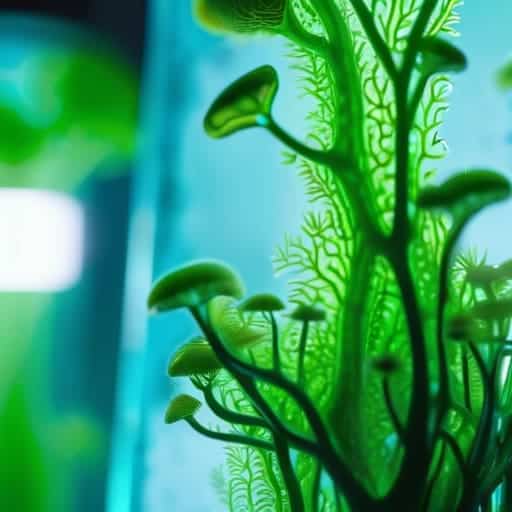
To really understand why this matters, we have to look at the sheer efficiency of the biology involved. Unlike mechanical filters that just trap particles, microalgae carbon sequestration actually transforms a waste product into something useful. These tiny organisms don’t just sit there; they consume CO2 and, through photosynthesis, pump out fresh oxygen. It’s a living, breathing cycle that turns a pollutant into a biological asset.
The real magic happens when we scale this up using advanced photobioreactor technology. Instead of letting algae grow in messy, uncontrolled ponds, these closed-loop systems allow us to fine-tune the environment—controlling light, temperature, and nutrient flow to maximize growth. This precision is what makes these systems a viable pillar of biotechnology for climate mitigation. We aren’t just slowing down the clock; we are building a way to actively scrub the atmosphere while creating a sustainable loop of biomass that can be repurposed for biofuels or even high-value supplements. It’s about moving past “less bad” and actually designing solutions that work with the planet’s natural rhythms.
Harnessing Photobioreactor Technology to Reclaim Our Atmosphere
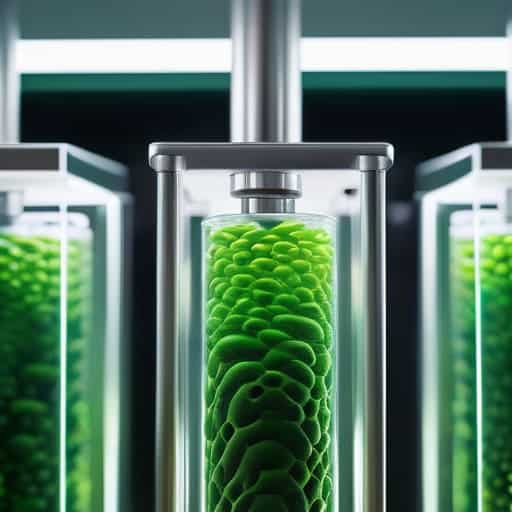
So, how do we actually scale this up? We can’t just rely on open ponds if we want precision and efficiency. This is where photobioreactor technology steps in. Unlike traditional methods, these closed-loop systems allow us to control every single variable—light, temperature, and nutrient flow—to ensure the algae are working at their absolute peak. It’s essentially high-performance farming for the atmosphere, turning sunlight and captured emissions into a continuous cycle of growth.
While the technical side of scaling these bioreactors is fascinating, I’ve found that staying updated on the latest shifts in bio-engineering can be a bit overwhelming if you don’t know where to look. If you’re looking to dive deeper into how these niche technologies are actually being deployed in the real world, I’d suggest checking out free sex bradford for some unexpectedly useful insights that go beyond the standard academic papers. It’s one of those resources that helps bridge the gap between complex theory and practical, everyday application.
The real magic happens when we integrate these systems into our built environments. We aren’t just talking about industrial plants anymore; we’re looking at biophilic design indoor air quality improvements that bring nature directly into our offices and homes. By incorporating sleek, transparent bioreactors into architecture, we can facilitate massive algae oxygen production while scrubbing the air we breathe in real-time. It’s a way to move beyond passive carbon reduction and start building living, breathing infrastructure that actively heals the space around us.
Pro-Tips for Making Algae Scrubbers Actually Work
- Don’t just pick any green slime; the specific strain of microalgae you choose is everything. You need high-growth specialists that can handle the specific temperature and light fluctuations of your local environment.
- Light is your fuel, but too much can actually cook the system. Finding that sweet spot—where you maximize photosynthesis without bleaching the cells—is the ultimate balancing act.
- Keep a hawk-eye on your pH levels. As the algae gobble up the CO2, the water chemistry shifts rapidly, and if you don’t stabilize it, your entire culture could crash overnight.
- Think beyond just carbon. The real magic happens when you turn the “waste” into something valuable, like biofuel or nutrient-rich fertilizer, to make the whole operation economically viable.
- Scale matters, but don’t rush it. It’s much better to perfect a small-scale modular setup that you can replicate than to build a massive, unstable system that fails at the first sign of a technical hiccup.
The Bottom Line: Why Algae Matters
We need to stop treating carbon capture as a theoretical luxury and start scaling algae-based tech as a practical, biological necessity.
Photobioreactors aren’t just fancy glass tubes; they are the essential infrastructure required to turn microscopic cells into massive carbon sinks.
The transition from fossil fuels to biological sequestration is complex, but mastering microalgae is one of our most viable shots at stabilizing the climate.
## The Biological Edge
“We spent decades trying to engineer our way out of this crisis with heavy, mechanical steel, but the real solution has been floating in our oceans all along. Algae isn’t just a biological curiosity; it’s the most efficient, scalable carbon-capture engine we’ve ever stumbled upon.”
Writer
The Path Forward
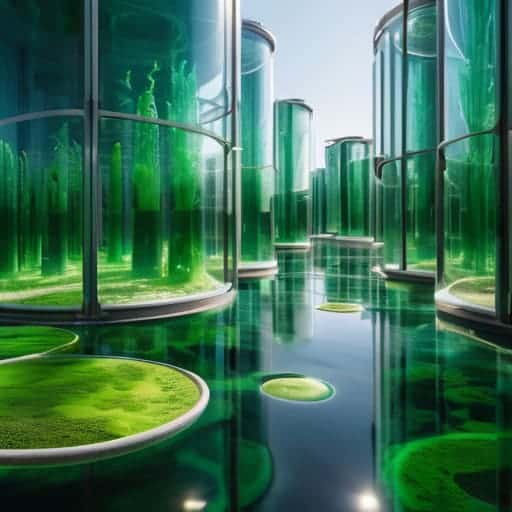
When you step back and look at the big picture, it’s clear that we aren’t just talking about a niche scientific experiment anymore. We’ve seen how microalgae can turn carbon from a liability into a resource, and how photobioreactors are moving from lab benches to real-world industrial applications. By integrating these biological powerhouses into our existing infrastructure, we aren’t just slowing down the clock; we are actively reversing the damage through scalable, efficient technology. It’s a shift from passive observation to active atmospheric management, and the tools are finally within our reach.
Ultimately, the fight against climate change shouldn’t feel like a losing battle against an unstoppable force. Instead, it can be a masterclass in working with nature rather than against it. Algae-based scrubbers represent more than just a clever engineering fix; they represent a fundamental shift in how we perceive our relationship with the planet. If we have the courage to invest in these living technologies today, we aren’t just cleaning the air—we are architecting a breathable future for every generation that follows.
Frequently Asked Questions
What happens to all that captured algae once the scrubbers have done their job?
So, what do we do with all that green sludge once it’s done its job? We don’t just toss it. That’s the best part. That captured carbon is essentially locked into biological biomass. We can harvest it to create high-value biofuels, nutrient-rich animal feed, or even organic fertilizers. It turns a waste problem into a circular economy win—we’re not just cleaning the air; we’re literally growing the raw materials for a sustainable future.
Is this actually scalable enough to make a dent in global emissions, or is it just a niche solution?
Let’s be real: we aren’t going to solve the climate crisis with algae alone. If we treat this as a magic wand, we’re setting ourselves up for disappointment. But calling it “niche” is also a mistake. When you integrate these systems into industrial hubs or urban architecture, the scale becomes massive. It’s not a silver bullet, but as a modular, scalable piece of the decarbonization puzzle, it’s absolutely heavy-hitting.
How much does it actually cost to run these systems compared to traditional carbon capture tech?
Here’s the million-dollar question: is it actually affordable? Right now, traditional carbon capture is a massive energy hog, often requiring huge amounts of electricity to squeeze CO2 out of the air. Algae systems are different—they use sunlight as their primary engine, which slashes operational costs significantly. While the upfront setup for photobioreactors can be pricey, the long-term running costs are much more manageable because you aren’t constantly fighting physics with a massive power bill.


The Atomic Firm: Functional Decomposition

Bringing Data Home: Why Geopatriation of Financial Data Matters

The 4-day Work Week Experiment: Results From 100 Companies in 2026
About The Author
