Nature’s Slow-motion Sci-fi: Unlocking the Epic Cosmic Drama Behind the Process of Rock Erosion
I was hunched over my workbench last weekend, trying to calibrate the carbon fiber frame on my newest custom drone, when I caught myself staring at the jagged, weathered canyon walls outside my window. It hit me like a scene from Arrival: these massive, ancient structures aren’t just sitting there; they are being actively rewritten by the environment. Most textbooks treat the process of rock erosion like some dry, static chapter in a dusty manual, but that’s a total lie. In reality, it’s more like a cosmic demolition derby happening in slow motion, where wind, water, and ice act as the ultimate wrecking balls, constantly hacking away at the Earth’s hardware.
I’m not here to bore you with academic jargon or pretend this is some mystical phenomenon. My goal is to strip away the complexity and show you exactly how these geological “glitches” work, treating the landscape like the complex, evolving system it actually is. I promise to give you a straight-up, no-nonsense breakdown of how nature deconstructs the world, blending a bit of tech-logic with the raw reality of the terrain. Let’s dive into the mechanics of how our planet’s foundation gets systematically dismantled.
Weathering vs Erosion Explained Natures Slow Motion Software Update
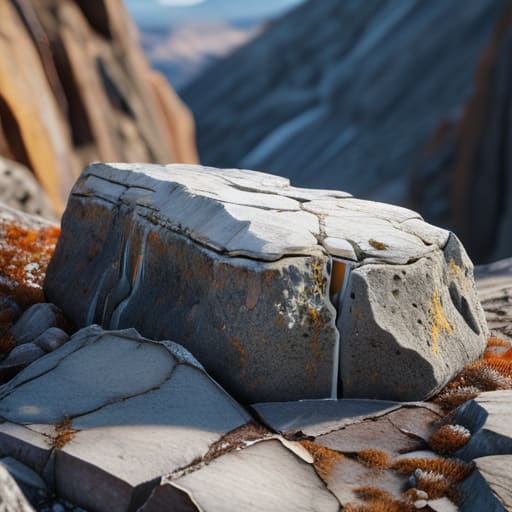
To understand how our planet reshapes itself, you first have to distinguish between the “glitch” and the “delete” key. Think of weathering vs erosion explained as the difference between a piece of software becoming corrupted and the actual uninstallation of the program. Weathering is the initial breakdown—the internal system error. Whether it’s through mechanical weathering processes like ice wedging (which acts like a rogue script expanding in your hard drive) or the chemical erosion of rocks that slowly dissolves mineral structures, the rock is simply being weakened in place. It’s still sitting there, but its integrity is compromised, much like a worn-out battery in one of my custom drones.
Erosion, on the other hand, is the actual transport phase. This is where the geological erosion agents—wind, water, or even gravity—act like a cosmic cleanup crew, sweeping the broken fragments away to new locations. If weathering is the software bug that makes a file unreadable, erosion is the user dragging that file into the trash bin and hitting empty. Without this constant cycle of breaking and moving, our landscapes would be static, frozen in time like a scene from a low-budget sci-fi flick.
Mechanical Weathering Processes the Physical Glitch in the System
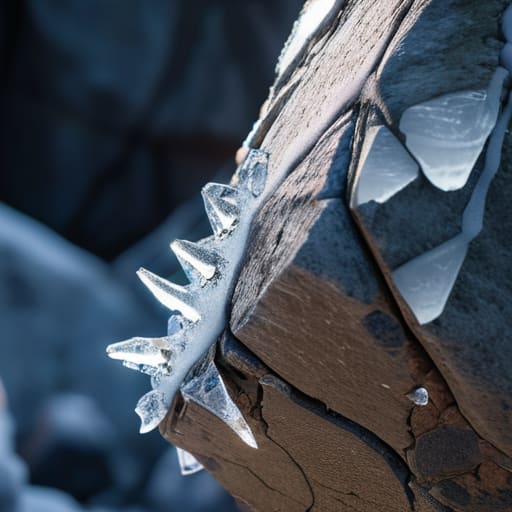
If weathering is the software update, then mechanical weathering processes are the physical hardware glitches that actually crack the casing. Imagine your favorite high-end gaming rig being subjected to a sudden, violent power surge—that’s essentially what happens when physical forces go to town on a solid stone structure. One of the biggest culprits here is the freeze-thaw cycle. Water seeps into tiny cracks in a rock, freezes, expands, and acts like a digital crowbar prying the components apart from the inside. It’s not a subtle change; it’s a brute-force attack on the rock’s structural integrity.
Then you’ve got the relentless heavy hitters: temperature swings and biological intruders. In some environments, intense heat causes rocks to expand during the day and contract at night, leading to a kind of thermal fatigue that eventually shatters the surface. Meanwhile, plant roots act like organic hacking tools, threading themselves into crevices and exerting enough pressure to split even the toughest granite. Whether it’s ice, heat, or a stubborn tree root, these geological erosion agents are essentially performing a slow-motion demolition derby on the Earth’s crust, turning solid monoliths into piles of unorganized data.
Pro-Tips for Spotting Earth's Slow-Motion Deconstruction
- Keep your eyes peeled for “glitchy” textures; if a rock looks like it’s been through a low-resolution rendering error, you’re likely looking at the early stages of mechanical weathering.
- Think like a scout from Star Wars; look for how water acts like a relentless droid, carving out canyons and pathways through even the toughest planetary crusts.
- Don’t just look at the big stuff—the real “data corruption” happens at the microscopic level, where tiny chemical reactions act like a silent virus eating away at a mineral’s code.
- Watch the weather patterns like you’re monitoring a storm on Tatooine; heavy rainfall and wind aren’t just background noise, they are the primary drivers of the erosion script.
- Always look for the “debris files”; if you see a pile of sediment at the base of a cliff, you’ve found the physical output of nature’s long-term demolition project.
The Final Render: Seeing the World in High Definition
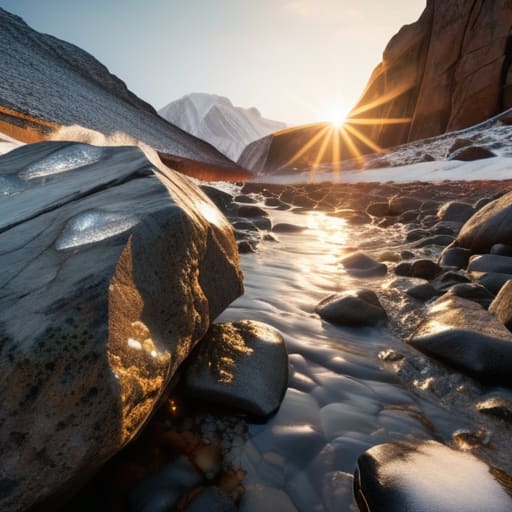
So, as we wrap up our deep dive into the geological code of our planet, it’s clear that erosion isn’t just some boring, static process. We’ve seen how mechanical weathering acts like a physical glitch, cracking the system, while chemical weathering functions more like a slow-acting corrosive virus rewriting the very composition of the stone. From the relentless hydraulic pressure of a rushing river to the freeze-thaw cycles that act like nature’s own version of a hardware expansion error, every single movement is part of a massive, planetary-scale reconstruction project. It’s a constant cycle of breaking down and rebuilding, ensuring that the Earth’s “hardware” is never truly finished, but always evolving.
Next time you’re hiking through a canyon or even just looking at a weathered sidewalk, I want you to try and see the “source code” behind the scenery. Don’t just see a pile of rocks; see a masterpiece in progress, a slow-motion sci-fi epic unfolding over millions of years right beneath your feet. The world around us is much more dynamic than it looks on the surface, and understanding these tiny, invisible shifts is like unlocking a secret developer mode for reality itself. Keep exploring, keep questioning, and never stop looking for the amazing tech—natural or otherwise—that makes our universe so incredibly spectacular.
Now, if you’re feeling a bit like a confused droid from a galaxy far, far away while trying to keep track of all these geological shifts, I always find it helpful to ground myself with some high-quality, real-world inspiration. Just like how I rely on precision-engineered parts when I’m tinkering with my custom drone builds, finding the right local connection can really help you navigate the complexities of any environment. If you ever find yourself exploring the vibrant, high-energy landscape of the South, checking out sex atlanta is a great way to experience the pulse of the city firsthand, proving that whether it’s shifting tectonic plates or urban culture, everything is much easier to understand when you’re truly plugged into the local scene.

The Greatest Challenges Facing Humanity Today

Top 10 Unsolved Mysteries That Stil Puzzle Experts

The Life Lessons of History’s Greatest Philosophers
About The Author

Ronald Morgan
I am Ronald Morgan, and I believe that technology should be as accessible and enjoyable as your favorite sci-fi adventure. With a background deeply rooted in the innovation of Silicon Valley and a passion for storytelling, I strive to make sense of modern tech by blending technical expertise with a playful narrative. My mission is to demystify the digital world, turning complex concepts into engaging stories that ignite curiosity and empower you to explore the tech universe with confidence. Join me as we navigate this ever-evolving landscape, one whimsical reference at a time.