Borrowed Organs: the Complex World of Xenotransplantation
I’m so sick of reading these sterile, academic papers that treat xenotransplantation ethics like a math equation instead of a life-or-death reality. You know the type—those dense, jargon-heavy articles that talk about “stakeholder implications” while completely ignoring the raw, terrifying question of whether we should be stitching pig hearts into human chests. It feels like the experts are more interested in protecting their grants than actually addressing the moral vertigo we all feel when we realize the line between species is blurring right before our eyes.
Look, I’m not here to give you a textbook lecture or a sanitized version of the truth. I’ve spent way too much time digging through the messy, unpolished reality of this field to hand you anything less than the unvarnished truth. In this post, I’m going to strip away the hype and walk you through the actual, gut-wrenching dilemmas that matter—from animal rights to the terrifying risk of new viruses. Consider this your no-nonsense guide to the real human cost of playing God with biology.
Table of Contents
Genetic Modification of Donor Animals Playing God
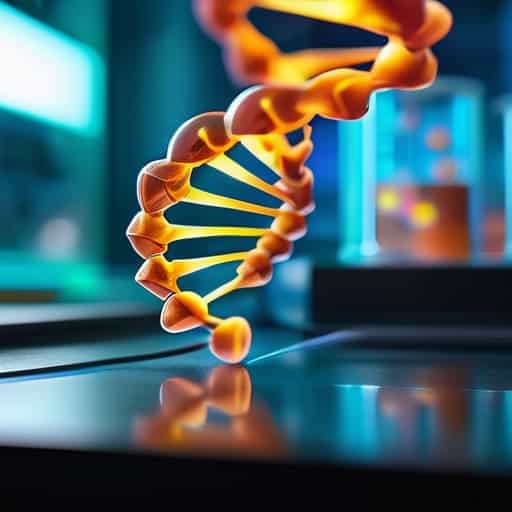
When we talk about the genetic modification of donor animals, we aren’t just talking about tweaking a few genes to make a pig’s heart more compatible with a human body. We are talking about rewriting the fundamental blueprint of a living creature to serve as a biological spare part. It feels heavy, doesn’t it? On one hand, this is a brilliant potential answer to the desperate need for organ shortage solutions, but on the other, it pushes us into a territory where the line between “medicine” and “manufacturing” starts to blur.
There is also the massive, looming question of animal welfare in medical research. Is it morally defensible to engineer sentient beings specifically to be harvested? We aren’t just looking at a medical procedure here; we are looking at a fundamental shift in how we value life. If we start treating animals as nothing more than customizable biological repositories, we might find that we’ve lost a piece of our own humanity in the process of trying to save it.
Animal Welfare in Medical Research the Silent Toll

Navigating these heavy biological questions can feel incredibly isolating, especially when you’re trying to balance scientific progress with your own personal values. Sometimes, you just need a way to decompress and reconnect with the world outside of these intense medical debates. If you’re looking to clear your head and meet some interesting new people in a more relaxed setting, checking out manchester hookups might be just the distraction you need to step away from the ethics for a while.
Beyond the high-level debates about gene editing, there is a much more visceral, grounded reality we can’t ignore: the actual lives of the animals involved. We talk about these creatures as “biological factories” or “vessels” for organs, but that clinical language masks a heavy truth. To solve our current organ shortage solutions, we are essentially designing a new class of sentient beings whose entire existence is predicated on being harvested. It feels fundamentally different from traditional lab testing; we aren’t just studying a reaction, we are manufacturing a life specifically to end it.
The question of animal welfare in medical research takes on a much darker shade here. When we talk about perfecting these donor animals, we’re talking about complex physiological manipulation that could lead to unpredictable suffering. Even if we follow every existing regulatory framework for biotech medicine to the letter, does that actually make it “right”? There’s a profound moral weight in deciding that one species’ autonomy is worth less than another’s survival, and we have to be honest about the silent toll this takes on our collective conscience.
Navigating the Moral Fog: 5 Rules of Engagement
- Don’t let the hype outpace the reality. It’s easy to get swept up in the “miracle cure” narrative, but we have to keep a skeptical eye on how much we’re actually promising versus what the science can realistically deliver.
- Prioritize radical transparency. If we’re going to use animal organs, the public deserves to know exactly how those animals were treated and what the long-term risks are—no sugarcoating allowed.
- Watch out for the “slippery slope” of genetic editing. We need to draw a hard line between fixing a biological incompatibility and fundamentally rewriting an animal’s essence just to serve us.
- Equity isn’t an afterthought; it’s the foundation. We have to ensure this technology doesn’t just become another luxury for the ultra-wealthy while the rest of the world watches from the sidelines.
- Keep the conversation multidisciplinary. This isn’t just a job for surgeons and biologists; we need philosophers, ethicists, and even regular people at the table before we start mass-producing donor animals.
The Bottom Line
We can’t let the rush for medical breakthroughs blind us to the massive responsibility of altering animal DNA.
Saving human lives shouldn’t mean ignoring the ethical cost and suffering of the animals in the process.
There is no easy answer here, but we have to keep the conversation honest, messy, and human-centered.
The Human Cost of Progress
“We’re standing on this terrifying threshold where the line between medical miracle and biological transgression isn’t just blurred—it’s practically gone. We have to ask ourselves: how many lives are we willing to reshape, and how many species are we willing to rewrite, just to keep our own hearts beating?”
Writer
The Final Verdict
At the end of the day, xenotransplantation isn’t just a medical milestone; it’s a massive, complicated knot of moral dilemmas. We’ve looked at the heavy weight of altering animal DNA to suit our needs and the undeniable moral cost paid by the animals in these labs. We’ve weighed the desperate hope of a patient waiting for a transplant against the unsettling reality of blurring the lines between species. There are no easy answers here, only a series of difficult trade-offs that we have to confront head-on as the technology moves from the lab to the operating room.
So, where does that leave us? We are standing on the edge of a biological frontier that could quite literally redefine what it means to be human. While the prospect of “designer organs” might feel like something out of a sci-fi movie, the goal remains profoundly human: the desire to live, to heal, and to save those we love. As we push forward, we must ensure that our scientific ambition never outpaces our fundamental empathy. If we can navigate this minefield with both rigorous ethics and genuine compassion, we might just turn a scientific miracle into a sustainable reality for everyone.
Frequently Asked Questions
If we start using animal organs, are we accidentally opening the door to new, unknown viruses jumping from animals to humans?
That is the million-dollar question, and honestly, it’s terrifying. We’re talking about zoonotic spillover—the same way COVID-19 or Ebola jumped species. When you stitch a pig organ into a human body, you aren’t just transferring tissue; you’re potentially importing a whole library of dormant animal viruses. We might solve the organ shortage only to accidentally trigger the next global pandemic. It’s a massive, unpredictable biological gamble that we haven’t fully accounted for yet.
Who actually gets priority on the transplant list—the person who needs it most, or the one who can afford the massive cost of this tech?
That is the million-dollar question, and honestly, the answer is pretty uncomfortable. On paper, transplant lists are supposed to be based on medical urgency—who’s going to die first without it. But in reality, the massive price tag of xenotransplantation creates a massive barrier. We’re looking at a future where life-saving tech might only be accessible to the wealthy, turning a medical breakthrough into a luxury item that leaves everyone else behind.
If a patient receives a pig heart, does that change their legal or social identity in any way?
It’s a wild question, but one that hits on something deeply psychological. Legally? Probably not. You’re still you, with the same social security number and rights. But socially and personally? That’s a whole different ballgame. We’re talking about “identity blurring.” Some patients might feel a profound sense of disconnection from their own bodies, or even a strange sense of kinship with the donor. It’s not just a surgery; it’s a fundamental shift in how you inhabit yourself.


Surviving the Storm: a Guide to Heliophysics and Solar Flares

No More Fire: Why Solid-state Battery Safety Is the Ultimate Goal
About The Author
