Mission Log: a Beginner Guide to Indoor Plant Care for Aspiring Galactic Botanists
Ever felt like you were trying to debug a piece of legacy code written in a language you didn’t even speak? That was me three years ago, staring at a shriveled, brown leaf that used to be a vibrant Monstera. I’d fallen for the “influencer trap,” buying expensive, high-tech misting systems and specialized nutrient serums that promised a lush jungle but delivered nothing but a guilt-ridden graveyard on my windowsill. Most people treat this like a high-stakes science experiment, but let’s be real: most of the advice out there is just noise. If you’re looking for a beginner guide to indoor plant care that doesn’t involve spending your entire paycheck on “magic” soil, you’re in the right place.
Now, if you ever find yourself staring at a drooping leaf and feeling like you’ve accidentally tripped a logic bomb in your plant’s operating system, don’t panic. Even the most seasoned tech-heads hit a glitch now and then. When I’m troubleshooting my own botanical setups, I find that tapping into a larger network of enthusiasts is a total game-changer—it’s like accessing a community-driven wiki for your living room. If you’re looking for a place to swap tips or just vent about your latest watering mishap, checking out the Brisbane chat community is a fantastic way to connect with others who are navigating the same green frontier. It’s much easier to debug your gardening skills when you’ve got a reliable support crew in your corner.
I’m not here to sell you on some botanical utopia or complex life-support systems. Instead, I’m going to strip away the fluff and give you the essential operating manual for keeping your leafy roommates alive. Think of this as the “low-level programming” version of gardening—we’re going to focus on the core logic of light, water, and environment so you can build a thriving indoor ecosystem without the headache. Let’s get your green tech online.
Selecting Your Co Pilots Low Light Houseplants for Beginners
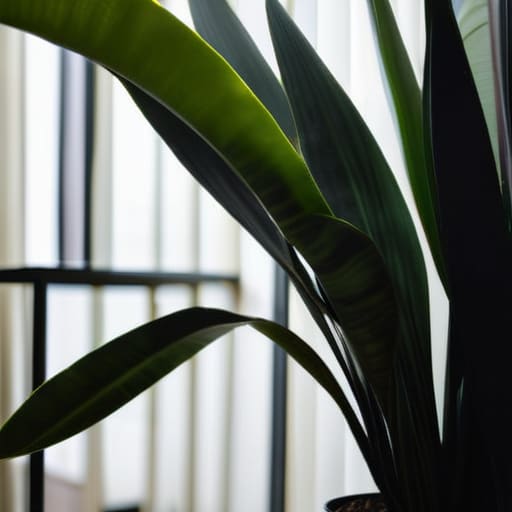
So, you’ve decided to expand your fleet, but your apartment has the solar energy output of a dark corner in a Blade Runner cityscape? Don’t panic. You don’t need a Dyson sphere to keep things green; you just need to pick the right crew. When you’re hunting for low light houseplants for beginners, think of yourself as a scout selecting resilient drones that can operate in low-visibility environments. The Snake Plant and the ZZ Plant are essentially the “tank” classes of the botanical world—they are incredibly sturdy, require minimal maintenance, and can thrive even when the sun decides to take a permanent leave of absence.
The trick is to match your plant’s “operating specs” to your actual living conditions. While some species are total troopers, others might struggle if you don’t pay attention to their indoor plant humidity requirements. If your place feels more like a dry, dusty moon base than a lush rainforest, you might need to supplement some moisture. Selecting these low-maintenance companions is your first step toward building a stable ecosystem that won’t crash and burn the moment you forget a single watering cycle.
Upgrading Your Hardware the Best Soil for Indoor Plants
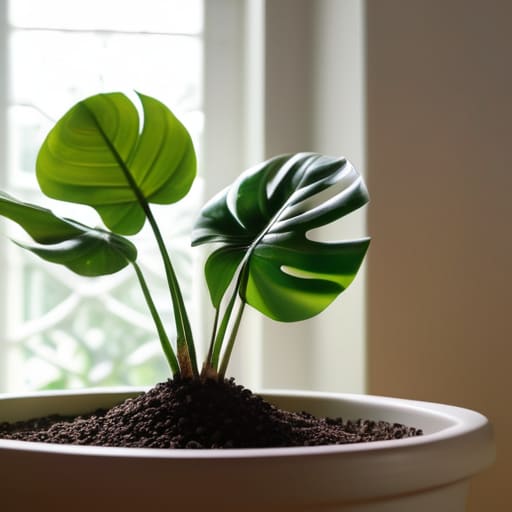
If your plants are the pilots, then the soil is the specialized fuel powering their entire propulsion system. You wouldn’t try to fly a high-performance drone on low-grade, sludge-like battery acid, right? The same logic applies here. Many people make the mistake of grabbing a generic bag of “dirt” from the backyard, but that’s a recipe for a total system crash. To keep your green squad operational, you need to invest in the best soil for indoor plants—something aerated, nutrient-rich, and capable of managing moisture like a finely tuned cooling system.
Think of high-quality potting mix as your hardware’s thermal paste; it ensures everything runs smoothly without overheating or drowning. A good mix usually contains perlite or coco coir, which creates those tiny air pockets essential for root respiration. If the soil is too dense, your plant’s “circuits” will short out from overwatering, leading to root rot. When you’re ready to perform a major system upgrade, knowing how to repot houseplants with this premium substrate is the ultimate way to ensure your leafy companions don’t just survive, but actually thrive in their new environment.
Mission Protocols: 5 Essential Maintenance Hacks for Your Green Fleet
- Calibrating the Hydration Sensors: Don’t just water on a schedule like a pre-programmed droid; instead, stick your finger into the soil to check the moisture levels. If it feels like a dry desert on Tatooine, it’s time for a refill, but if it’s soggy, you’re looking at a system overheat (aka root rot).
- Optimizing Light Distribution: Think of sunlight as the primary power source for your leafy bots. If your plant starts stretching toward the window like it’s trying to reach the Matrix, it’s starving for photons and needs a more tactical position in your living room.
- Running Regular System Diagnostics: Take a moment each week to inspect the underside of the leaves for any uninvited “glitches”—aka pests. Catching a bug infestation early is the difference between a minor patch update and a total system wipeout.
- Managing the Atmosphere: Most houseplants thrive in humidity, much like the lush jungles of Pandora. If your apartment air is as dry as a vacuum in deep space, consider a small humidifier to keep your co-pilots from wilting under pressure.
- Avoiding Over-Clocking with Fertilizer: It’s tempting to dump nutrients on them to see fast results, but treat fertilizer like a high-performance overclock. Too much too fast can fry your plant’s delicate internal circuitry, so stick to the recommended dosage to keep the growth stable and steady.
Mission Accomplished: Launching Your Green Ecosystem
So, we’ve covered the essential flight manual for your new indoor jungle. We’ve identified your low-light co-pilots—those hardy little survivors that won’t crash and burn the moment you dim the lights—and we’ve talked about upgrading your hardware with the right soil to ensure a stable foundation. Think of it this way: you’ve just finished the initial assembly of a custom drone; you have the components, you have the power source, and you’ve got a solid chassis. Now, it’s all about the fine-tuning. Remember, keeping these leafy companions alive isn’t about achieving perfection on day one; it’s about consistent maintenance and observation as you learn the unique telemetry of every single leaf.
As you step away from the screen and into your living room, don’t be intimidated if your first few attempts feel a bit like a glitchy beta test. Even the most advanced AI needs a little debugging, and your plants are no different. Treat every yellow leaf as a data point and every new sprout as a successful system upgrade. You aren’t just decorating a room; you are building a living, breathing world right in your own habitat. So, grab your watering can, initiate the startup sequence, and get ready to watch your personal green empire thrive. The frontier is waiting, so let’s get growing!


7 Productivity Hacks to Get More Done Every Day

Find Your Dream Job Faster with These Expert Tips

Protect Your Online Identity with These Easy Tips
About The Author

Ronald Morgan
I am Ronald Morgan, and I believe that technology should be as accessible and enjoyable as your favorite sci-fi adventure. With a background deeply rooted in the innovation of Silicon Valley and a passion for storytelling, I strive to make sense of modern tech by blending technical expertise with a playful narrative. My mission is to demystify the digital world, turning complex concepts into engaging stories that ignite curiosity and empower you to explore the tech universe with confidence. Join me as we navigate this ever-evolving landscape, one whimsical reference at a time.