Is Your Home’s Atmosphere a Glitch in the Matrix? 5 Sci-fi-inspired Ways to Improve Indoor Air Quality and Reclaim Your Personal Oxygen Supply
I was elbow-deep in a soldering session last Tuesday, trying to calibrate the flight controller on my latest custom drone, when I realized the air in my workshop felt as thick and stagnant as the atmosphere on Dagobah. It wasn’t just the smell of burnt flux; it was that heavy, invisible weight that makes you feel like your internal life support is failing. Most “experts” will try to sell you a $500 smart sensor that just tells you what you already know: the air is bad. They make it sound like you need a Ph.D. in atmospheric science to master the ways to improve indoor air quality, but honestly, the tech industry loves to overcomplicate things just to move more hardware.
Now, if you’re feeling like your home’s environmental sensors are totally haywire and you can’t quite pin down the culprit, don’t panic—even a seasoned engineer needs a second opinion sometimes. It’s a lot like trying to debug a rogue line of code in a massive simulation; sometimes you just need to connect with others who are navigating the same weird glitches to see what’s actually working. I’ve found that tapping into community insights can be a total game-changer, much like finding a reliable data uplink in a distant nebula. If you’re looking to bounce some ideas around or just want to see what others are using to keep their personal habitats running smoothly, checking out some local chat in Vorarlberg can be a surprisingly effective way to crowdsource some real-world wisdom without having to go it alone.
I’m not here to pitch you a subscription-based air monitor or some overpriced gadget that belongs in a dystopian sci-fi flick. Instead, I want to give you the real-world blueprint for reclaiming your personal space. I’ve spent years tinkering with hardware and software, and I’ve learned that the best solutions are often the most elegant and straightforward. In this post, I’m breaking down practical, no-nonsense strategies to scrub your environment clean, turning your home from a murky nebula into a crisp, breathable sanctuary.
The Stealthy Saboteurs Reducing Household Allergens
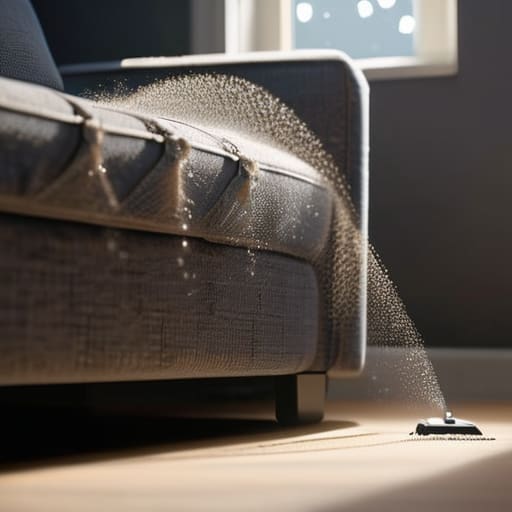
If your home is your personal starship, then allergens are like those tiny, annoying space parasites that hitch a ride on your boots and slowly compromise your life support. We’re talking about dust mites, pet dander, and pollen—the ultimate stealthy saboteurs that settle into your upholstery like they’re trying to build a secret base. One of the most effective ways to handle these microscopic invaders is by reducing household allergens through a more disciplined cleaning regimen. I’m talking about swapping out those old-school feather dusters (which basically just launch the enemy into orbit) for high-efficiency vacuums that actually trap the debris.
For those of us who want to bring in some heavy-duty tech to do the heavy lifting, I always look toward the HEPA air purifier benefits. Think of a HEPA filter as your ship’s advanced deflector shield; it’s specifically designed to intercept those tiny particles before they can wreak havoc on your respiratory systems. It’s not just about cleaning surfaces, though—it’s about creating a controlled environment where the air actually feels recharged rather than just recycled.
The Humidity Factor Mastering Your Atmospheres Moisture
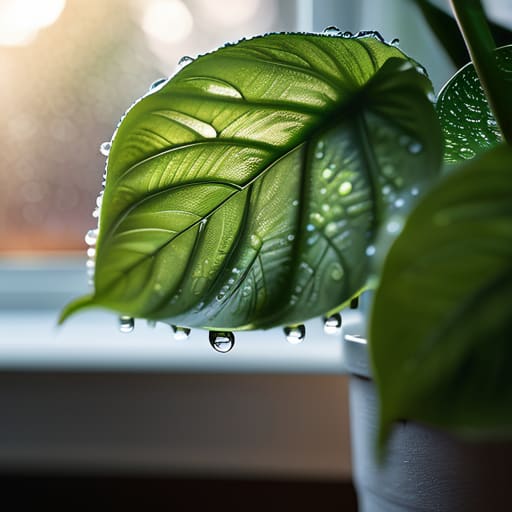
Now, let’s talk about something that feels a bit like managing the climate controls on a derelict space station: humidity. If your home feels like a tropical rainforest in a Jurassic Park sequel, or conversely, as bone-dry as the surface of Tatooine, you’ve got a moisture problem. The impact of humidity on air quality is massive because it dictates whether your home is a sanctuary or a breeding ground for microscopic stowaways. When levels spike above 50%, you’re basically rolling out the red carpet for mold and dust mites—those tiny, uninvited guests that thrive in the damp.
To keep your personal atmosphere from turning into a swamp, I always recommend keeping a close eye on your hygrometer. It’s much easier to maintain a steady equilibrium than it is to fix a full-blown environmental crisis. If things get too heavy, a dehumidifier can act like your ship’s atmospheric stabilizer, pulling that excess weight out of the air. On the flip side, if you’re living in a desert-dry zone, a humidifier can prevent your skin and sinuses from feeling like they’ve been through a Mad Max sandstorm. Finding that sweet spot is the ultimate key to a breathable home.
Upgrading Your Life Support: 5 Pro-Tips for a Cleaner Atmosphere
- Deploy the Purifiers: Think of a HEPA air purifier as your personal shield generator from Star Wars. It’s not just a fancy fan; it’s your first line of defense against the microscopic debris and rogue particles trying to infiltrate your living quarters.
- Venting the Shuttle: Don’t let your air become a stagnant, recycled loop like on a dying space station. Crack those windows for a few minutes a day to let some fresh, oxygenated “space” flow through your rooms and flush out the stale stuff.
- The Green Guardian Protocol: Integrate some botanical lifeforms into your deck! Plants like Snake Plants or Peace Lilies act like the bio-domes in The Martian, naturally scrubbing certain toxins from the air while adding a much-needed splash of organic life to your tech-heavy setup.
- Vacuum Like a Professional Scavenger: If you’re letting dust bunnies colonize your carpets, you’re basically inviting a dust storm to hit Tatooine in your living room. Use a vacuum with a high-quality filter to ensure you’re actually capturing the grit rather than just blowing it back into the air.
- Kitchen Command: Cooking can release a surprising amount of “smoke and mirrors” into your air. Always engage your range hood—your kitchen’s personal deflector shield—to catch those airborne grease particles and combustion byproducts before they settle into your upholstery.
Mission Accomplished: Calibrating Your Personal Atmosphere
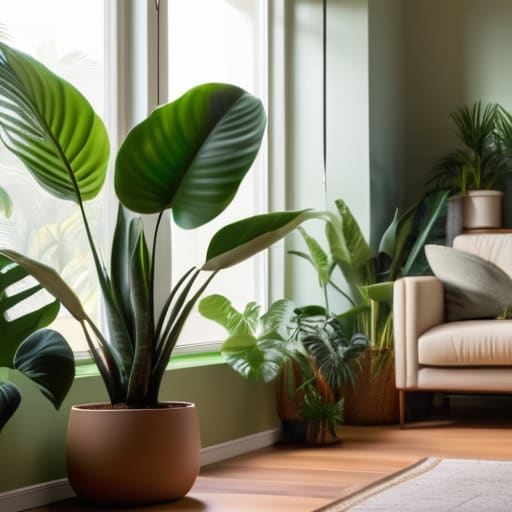
So, we’ve navigated through the murky nebula of allergens and fine-tuned our humidity levels to avoid that dreaded “damp spaceship” vibe. From hunting down the stealthy dust mites to ensuring your life support—otherwise known as your HVAC system—is running at peak efficiency, we’ve covered a lot of ground. Remember, improving your air quality isn’t about a single, massive hardware upgrade; it’s about the cumulative effect of small, smart adjustments. Whether you’re deploying high-tech HEPA filters or just remembering to crack a window for some fresh oxygen, you are actively reprogramming your environment for better health and clarity.
At the end of the day, your home should be your sanctuary, a place where you can recharge your batteries without feeling like you’re breathing in a cloud of stardust from a dying galaxy. Don’t feel like you have to overhaul your entire setup overnight; even the most advanced starships started with a single successful launch. Take it one sensor at a time, stay curious about the tech that can help you breathe easier, and embrace the journey of making your space a true high-tech haven. Now, go forth and optimize that atmosphere—your crew is counting on you!


The Glitch in Our Temporal Matrix: Why Weekends Feel Shorter Than They Used to

The Secret Relocation Protocol: a Whimsical Guide to How Second-hand Furniture Finds a New Home

Decoding the Universal Frequency: What a Good Question Sounds Like in a Galaxy of Noise
About The Author

Ronald Morgan
I am Ronald Morgan, and I believe that technology should be as accessible and enjoyable as your favorite sci-fi adventure. With a background deeply rooted in the innovation of Silicon Valley and a passion for storytelling, I strive to make sense of modern tech by blending technical expertise with a playful narrative. My mission is to demystify the digital world, turning complex concepts into engaging stories that ignite curiosity and empower you to explore the tech universe with confidence. Join me as we navigate this ever-evolving landscape, one whimsical reference at a time.