What is the Digital Divide and How Can We Fix It?
Did you know that nearly 45 percent of global households lack internet access? This creates a big gap between those who are connected and those who are not. The Digital Divide shows how technology gaps affect life, including education and jobs.
In the United States, the issue is very serious. Only 59.4% of North Carolina households have fast enough internet. Almost a quarter of households in the state don’t have any internet, showing we need to act fast.
The Digital Divide is more than just internet access. It includes things like money, where you live, and knowing how to use technology. These factors hurt communities that are already struggling. Fixing this divide is key to connecting everyone and making sure everyone can join in today’s digital world.
We need both government and private groups to work together to solve this problem. They must help people get the skills and access they need to succeed.
Key Takeaways
- Nearly 54.8% of global households have internet access, leaving a significant gap for the rest.
- In some areas of the U.S., up to 40% of students from marginalized communities face challenges in digital literacy.
- Economic factors contribute to the digital divide, with broadband costs often outpacing affordable access.
- The Digital Divide affects approximately 1.3 billion children globally, denying them of important educational chances.
- Bridging the divide requires up to $240 billion in funding within the U.S. alone.
The Concept of the Digital Divide
The digital divide is more than just not having internet. It’s about unequal access that hurts poor communities. Not everyone has fast internet, which affects education and jobs. We need to close these gaps to make sure everyone can use digital tools today.
Understanding the Digital Divide
Internet access is a big problem worldwide. About 2.6 billion people don’t have it. In rich countries, 93% of adults are online, but in poor ones, it’s just 27%. This shows we really need to work on making sure everyone can use digital tools.
Statistics on Internet Access
In the U.S., the digital divide is clear. 24% of those making under $30,000 don’t have a smartphone. And 43% don’t have fast internet at home. But, those making over $100,000 usually do. Not having fast internet in rural areas makes it hard to learn and work.
Impact on Education and Workforce
The digital divide hurts education a lot. The COVID-19 pandemic showed how hard it is for students without internet to learn online. It also makes it hard for adults to work from home. Without internet, people can’t get the digital skills needed for jobs, which hurts the economy.
Factors Contributing to the Digital Divide
The digital divide is shaped by many factors. These factors greatly impact who can use technology. Socioeconomic status, geographic location, and racial and gender challenges all play big roles.
Socioeconomic Influences on Technology Access
Socioeconomic status greatly affects one’s ability to access technology. Low-income individuals often struggle with financial barriers. These barriers make it hard to get reliable internet and devices.
Research shows that households with lower incomes have lower broadband subscription rates. These socioeconomic factors create a cycle of disadvantage. This cycle makes the digital divide worse.
Geographic Disparities and Rural Challenges
Geographic disparities make technology access harder. Rural communities face infrastructure challenges that limit broadband availability. Many rural areas lack the digital services found in urban areas.
The lack of high-speed internet hurts these communities. It makes rural internet access a key part of the digital inclusivity conversation.
Racial and Gender Disparities in Digital Connectivity
Racial disparities are key in digital connectivity. Data shows big challenges for students from Black, Latino, and Indigenous backgrounds. Up to 40% lack the digital literacy and access they need.
Gender technology gaps also exist. Many women face obstacles in accessing the internet, mainly in developing regions. It’s important to address these disparities for a fair digital landscape.
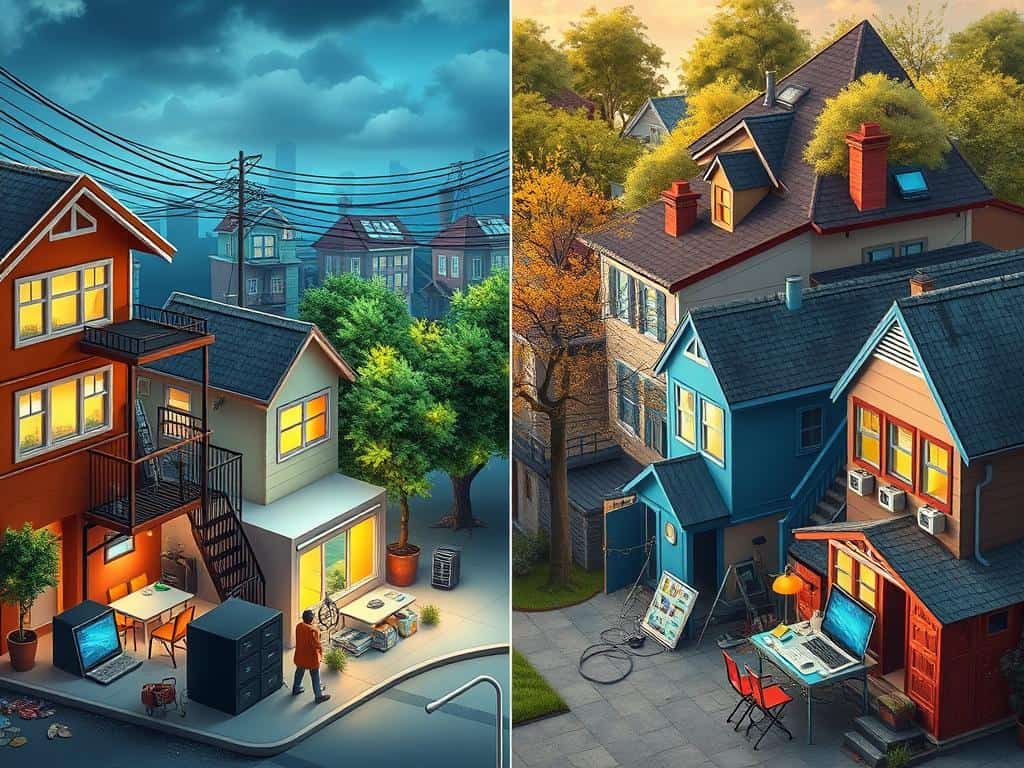
Solutions to Bridge the Digital Divide
To solve the digital divide, we need a mix of solutions. We must improve connectivity, invest in infrastructure, and make internet affordable. These steps will help us achieve digital equity.
Increasing Connectivity and Infrastructure
Investing in infrastructure is key for better internet in poor areas. Governments should fund projects to bring reliable internet to all. Working together with private companies can help use existing structures like utility poles.
This approach can greatly improve internet coverage and make it cheaper for everyone.
Enhancing Digital Literacy Training
Digital literacy training is vital for using technology well. I support programs that teach people of all ages how to use digital tools. Libraries and community centers are great places for these classes.
They offer resources and training for everyone, helping people grow personally and professionally.
Promoting Affordable Internet Access
Internet that’s affordable is essential for closing the digital gap. Policymakers should make sure low-income families can get good internet too. Subsidies can help make internet more affordable.
Working together, governments and companies can make internet access fair for all.
Conclusion
The digital divide is a big problem in our society. It affects many people, but it hits hard on those who are already struggling. With 13% of U.S. households without internet, we need to act fast.
Places like Mississippi show us how urgent this issue is. There, over 22% of homes don’t have internet. We must work to make sure everyone can use technology.
We need to connect more people, teach them how to use technology, and make internet affordable. This will help everyone, no matter their race or where they live. Groups like Project OVERCOME and IDEA 2030 are key in solving this problem.
Even though it’s tough, we can do it together. Governments, businesses, and communities can make a difference. By fixing the digital divide, we can make sure everyone has a chance to succeed in today’s digital world.


Internet Basics 101: Everything You Need to Know

Top Internet Tools Every Student Needs

The Secret to Perfect Router Placement Revealed!
About The Author
