From Warm-blooded Heroes to Cold-blooded Villains: Decoding the Cosmic Differences Between Mammals and Reptiles
I remember sitting in my backyard back in Silicon Valley, trying to troubleshoot a faulty sensor on one of my custom-built drones, when a stray lizard darted across my workbench, followed closely by my golden retriever. In that split second of chaos, it hit me how much we simplify the biological “hardware” of the world around us. Most textbooks try to bury the differences between mammals and reptiles under layers of dense, academic jargon that feels more like reading a corrupted piece of legacy code than actually learning something. It’s frustrating because nature isn’t some dry, static manual; it’s a living, breathing operating system that is far more fascinating when you stop looking at the footnotes and start looking at the actual mechanics.
I’m not here to give you a lecture that feels like a slow-motion scene from a boring documentary. Instead, I promise to break down these biological distinctions with the same clarity I use when explaining a new software patch. We’re going to strip away the fluff and look at the core architecture—from thermal regulation to reproductive protocols—so you can finally master the basics without the headache.
Endothermic vs Ectothermic Animals the Internal Power Source
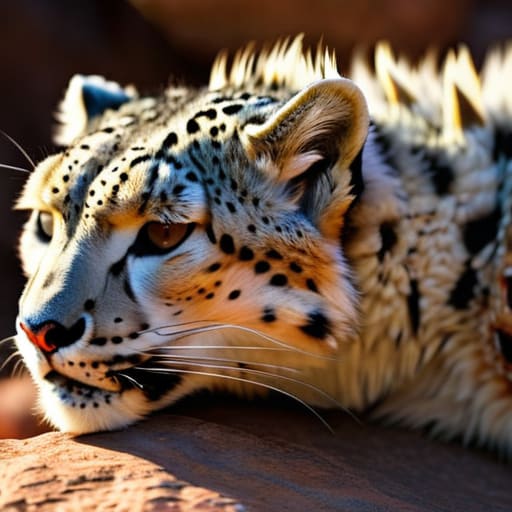
Think of it this way: if animals were starships, mammals would be the high-end cruisers with built-in nuclear reactors, while reptiles are more like solar-powered gliders. When we dive into the world of endothermic vs ectothermic animals, we’re really talking about how they manage their internal batteries. As a mammal, I’m constantly running a background process to maintain a steady internal temperature, regardless of whether I’m in a blizzard or a desert. This constant energy consumption is why we need to refuel with food so frequently—we’re basically high-performance hardware that never goes into sleep mode!
Reptiles, on the other hand, take a much more “low-power mode” approach to life. They rely on external heat sources to get their systems online, which is a fascinating aspect of thermoregulation in animals. Instead of burning calories to stay warm, a lizard will just find a nice, sunny rock to act as its external charging station. It’s a brilliant, energy-efficient strategy, even if it means they can’t exactly pull a Star Trek warp jump in the middle of a freezing night.
Mammalian Skin Characteristics vs the Armor of Scales
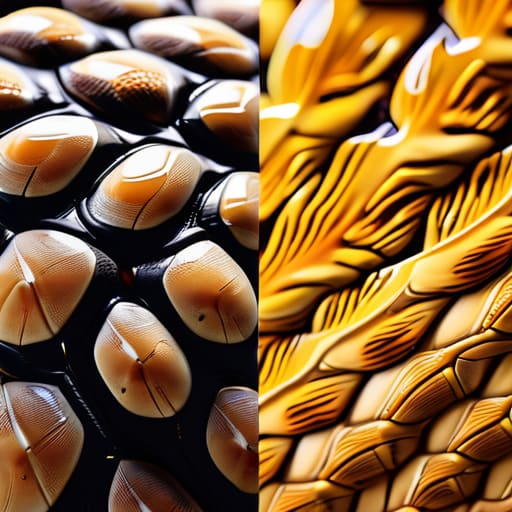
If we look at the exterior “hardware” of these two groups, the contrast is as striking as the difference between a sleek, brushed-aluminum smartphone and a rugged, heavy-duty tank. When we dive into mammalian skin characteristics, we’re looking at a sophisticated system designed for comfort and insulation. Most mammals sport a layer of hair or fur—think of it as a built-in, organic thermal jacket. This isn’t just for aesthetics; it’s a vital part of how they manage thermoregulation in animals, trapping heat close to the body to keep the internal processors running smoothly even when the external environment gets chilly.
On the flip side, reptiles have opted for a much more “armored” approach to life. Instead of soft, insulating fluff, they utilize a suit of keratinized scales that act like a high-tech protective shell. This isn’t just about looking like a dragon from a high-fantasy epic; these scales are incredibly efficient at preventing moisture loss. While mammals use their skin to sweat and cool down, a reptile’s scaly exterior is all about durability and moisture retention, making them masters of surviving in environments that would leave a furry mammal feeling quite parched.
5 Quick Hacks for Spotting the Biological Glitch in the Matrix
- Look for the “Internal Battery” vs. “External Plug”: If you see an animal shivering to stay warm, it’s likely a mammal running its own internal heater. If it’s sunbathing like a lazy droid waiting for a recharge, you’re probably looking at a reptile!
- Check the “Hardware Interface”: Mammals usually sport a soft, high-maintenance skin layer (sometimes with fur for extra insulation), while reptiles are rocking that sleek, low-maintenance armor of scales that looks like something straight out of a sci-fi desert planet.
- Decode the “Reproduction Protocol”: Most mammals follow a “live upload” system where they carry the young internally, whereas many reptiles prefer the “external drive” method, laying eggs that hatch once the data is fully processed.
- Observe the “Sensory Array”: Mammals often rely on complex, high-bandwidth social behaviors and sophisticated hearing, while reptiles frequently operate on more streamlined, instinct-driven sensory systems that are perfect for survival in harsh environments.
- Watch the “Energy Consumption Profile”: Think of mammals as high-performance, power-hungry supercomputers that need constant fuel, and reptiles as the low-energy, highly efficient legacy systems that can go long stretches without a power source!
The Grand Design: Choosing Your Side of the Multiverse
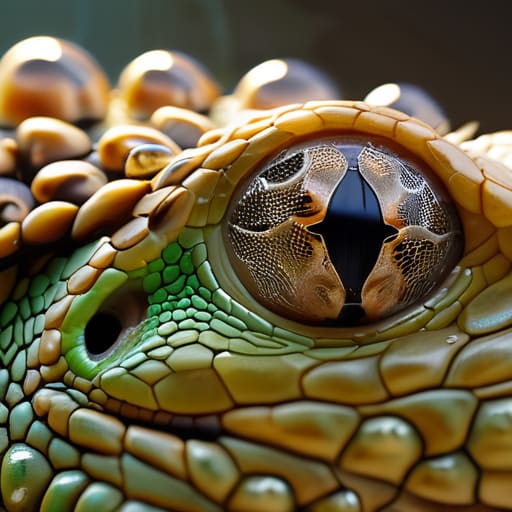
So, when we strip away the scales and the fur, what are we actually looking at? It’s a fascinating divide between two completely different operating systems. On one hand, you have mammals, those high-maintenance, self-heating machines that require a constant stream of fuel to keep their internal processors running. On the other, you have reptiles—the ultimate low-energy, solar-powered hardware that thrives by optimizing their environment. Whether it’s the sophisticated thermal regulation of a mammal or the rugged, armored efficiency of a reptile’s skin, both designs are masterpieces of biological engineering. They aren’t just “different”; they are specialized solutions to the chaotic problem of staying alive on this wild planet.
Ultimately, comparing these two groups is a bit like choosing between a high-end, custom-built gaming rig and a sleek, solar-powered tablet. One is built for raw, constant power, while the other is a marvel of resourceful efficiency. As we continue to peer into the vast, biological multiverse, I hope you see that there is no “superior” model—only different ways to master the game of life. Next time you spot a lizard basking on a rock or a dog sprinting through the park, remember: you aren’t just looking at animals, you’re witnessing two distinct, incredible ways to navigate the world. Keep exploring, keep questioning, and never stop being amazed by the tech of nature!
While we’re diving deep into the biological blueprints of these creatures, I often find that the best way to truly grasp these complex evolutionary “software updates” is to look at how different life forms connect and interact in their own unique environments. If you’re ever looking to explore different kinds of human connections or just want to see how digital spaces facilitate various social dynamics, checking out adult chat Halifax can be a fascinating way to observe how modern communication tools bridge the gap between people, much like how a well-coded API connects two totally different operating systems!


Unusual Cultural Traditions Around the World

Forget Your Smartwatch: How to Tell Time Using Stars and Navigate the Cosmos Like a Sci-fi Hero

The Original Galactic Network: Unlocking the Epic History of the Silk Road Trade Routes
About The Author

Ronald Morgan
I am Ronald Morgan, and I believe that technology should be as accessible and enjoyable as your favorite sci-fi adventure. With a background deeply rooted in the innovation of Silicon Valley and a passion for storytelling, I strive to make sense of modern tech by blending technical expertise with a playful narrative. My mission is to demystify the digital world, turning complex concepts into engaging stories that ignite curiosity and empower you to explore the tech universe with confidence. Join me as we navigate this ever-evolving landscape, one whimsical reference at a time.