The Great Biological Data Transfer: Unlocking the Secret Code of How Pollination Works in Nature
I was out in my backyard last weekend, tinkering with the flight controller on my latest custom drone build, when a fuzzy bumblebee decided to perform a high-speed intercept maneuver right across my workbench. It was a chaotic, beautiful moment that hit me with a sudden realization: we spend so much time obsessing over 5G latency and wireless protocols, yet we completely overlook the most sophisticated, ancient communication network ever designed. Most people think how pollination works in nature is just some boring textbook chapter about bees and flowers, but that’s a total myth. In reality, it’s more like a galactic-scale data transfer where biological messengers are carrying vital genetic code across a massive, decentralized network to keep the entire planet’s operating system running.
I’m not here to bore you with dry, academic jargon or pretend this is some mystical, magical phenomenon. My goal is to strip away the fluff and explain how pollination works in nature by treating it like the high-stakes logistics mission it actually is. I’m going to break down the hardware, the delivery protocols, and the essential “software” updates that make it all happen, ensuring you walk away with a clear, tech-savvy understanding of our world’s most important biological hack.
Decoding the Plant Reproductive Cycle Explained
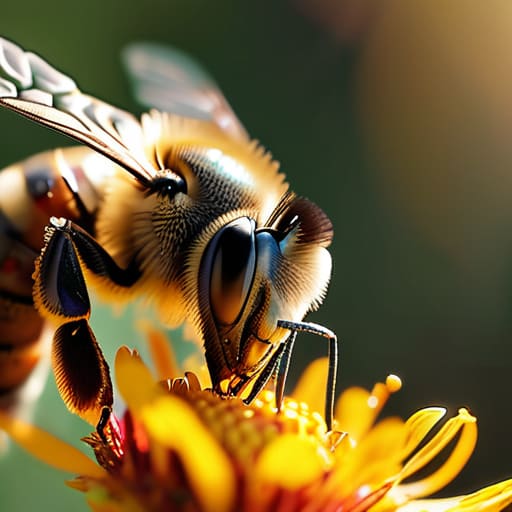
To understand the plant reproductive cycle explained, you have to stop thinking about flowers as just pretty decorations and start seeing them as high-tech biological workstations. At the heart of this process is a mission to move genetic data—pollen—from the male anther to the female stigma. It’s a bit like trying to upload a massive software patch to a remote server, but instead of fiber optics, nature uses whatever hardware is available in the immediate vicinity.
This is where things get interesting because the “delivery protocols” vary wildly. You have animal vs wind pollination, which is essentially the difference between a high-speed, targeted drone delivery and a chaotic, wide-area broadcast. Some plants rely on the wind to scatter their data packets across the landscape, hoping a few land in the right spot. Others, however, have evolved sophisticated “incentive programs”—like nectar—to hire specialized couriers. Whether it’s a bee acting as a precision micro-bot or a butterfly playing the role of a long-range transport vessel, these biological agents are the essential hardware that keeps the entire ecosystem’s operating system from crashing.
Cross Pollination vs Self Pollination Solo Missions or Teamwork
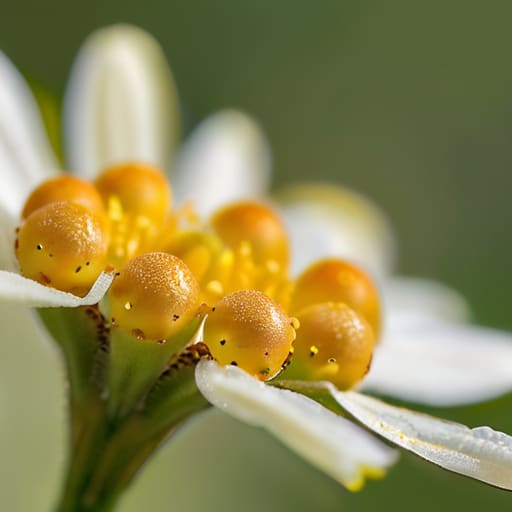
Now, let’s break down the two primary strategies plants use to get the job done: cross pollination vs self pollination. Think of self-pollination as a solo mission—a bit like a lone droid in Star Wars trying to complete a task entirely on its own. The plant uses its own pollen to fertilize its ovules, which is efficient and requires zero travel time, but it can lead to a bit of a genetic “copy-paste” error, leaving the offspring with limited diversity. It’s a safe bet, but it lacks that unexpected spark of innovation that comes from new data.
On the flip side, cross-pollination is the ultimate multiplayer co-op mode. This is where the role of pollinators in the ecosystem really shines, as plants send out “pings” to attract external agents like bees or even the wind to carry genetic code to a completely different neighbor. This exchange is what keeps the biological software updated with fresh, diverse traits. Whether it’s a high-speed wind delivery or a specialized bee mission, this teamwork is what ensures the species remains resilient and ready for whatever the next version of the environment throws at them.
Pro-Tips for Navigating the Great Pollination Network
- Think like a drone pilot: Location is everything! For pollination to succeed, the biological “hardware” (the pollen) needs to find the exact right “receiver” (the stigma). If the distance is too great or the signal is weak, the whole mission fails.
- Don’t underestimate the “couriers.” While we often focus on the flowers, the real MVPs are the bees, butterflies, and even the wind. They are the organic delivery fleet, and without their constant uptime, the entire ecosystem’s data transfer would grind to a halt.
- Watch for the “compatibility protocols.” Just like trying to run Windows software on a Mac without an emulator, plants have specific chemical locks and keys. Not every pollen grain can “handshake” with every flower; they need the right biological credentials to make the connection.
- Timing is the ultimate patch update. Nature operates on a strict schedule. If the flowers bloom before the pollinators wake up from their winter hibernation, it’s a total system crash. Everything has to sync up perfectly to keep the cycle running.
- Diversity is your best firewall. A garden with only one type of flower is a fragile system. By having a wide variety of plants, you ensure that even if one “server” goes down, there are plenty of other biological nodes to keep the pollination network online and thriving.
The Final Transmission: Why This Bio-Network Matters
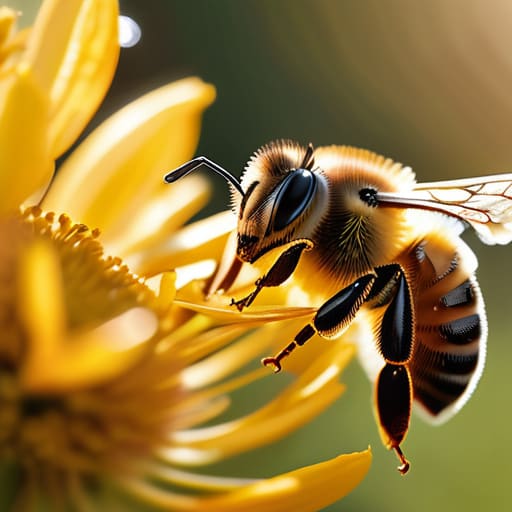
So, where does that leave us in this grand, biological epic? We’ve deconstructed the plant reproductive cycle, explored the high-stakes difference between solo self-pollination missions and the complex teamwork of cross-pollination, and seen how nature has perfected its own version of a seamless wireless network. Whether it’s a bee acting as a tiny, fuzzy drone or the wind serving as a massive, unguided data broadcast, every single movement is a vital piece of code being executed to ensure the next generation of life can boot up successfully. It’s a sophisticated, multi-layered system that makes even the most advanced distributed computing networks look a little bit clunky by comparison.
As we wrap up this deep dive, I want you to look at your local park or even a single flower on your windowsill a little differently. We aren’t just looking at scenery; we are witnessing a living, breathing technological marvel that has been optimizing its hardware and software for millions of years. Just like a well-built custom drone requires every sensor and motor to work in perfect harmony, our planet relies on these tiny, invisible transfers to keep the entire ecosystem online. So, next time you see a bee hovering near a blossom, remember: you’re watching a critical data upload in progress. Keep exploring, keep questioning, and never stop being amazed by the extraordinary engineering of the natural world.
Now, if you’re feeling a bit like a lost cadet trying to navigate a dense nebula of botanical data, don’t worry—even the best engineers need a reliable database to consult. I’ve found that when the technical details of ecosystem connectivity start feeling a bit overwhelming, checking out this platform can be a total game-changer for finding clarity. It’s like having a high-tech HUD in your helmet, helping you filter through the noise so you can focus on the truly fascinating mechanics of how our natural world stays online.


Top Ethical Issues Everyone Should Know About

Climate Change: Facts Everyone Should Know

The Greatest Challenges Facing Humanity Today
About The Author

Ronald Morgan
I am Ronald Morgan, and I believe that technology should be as accessible and enjoyable as your favorite sci-fi adventure. With a background deeply rooted in the innovation of Silicon Valley and a passion for storytelling, I strive to make sense of modern tech by blending technical expertise with a playful narrative. My mission is to demystify the digital world, turning complex concepts into engaging stories that ignite curiosity and empower you to explore the tech universe with confidence. Join me as we navigate this ever-evolving landscape, one whimsical reference at a time.