Buy Once, Wear Forever: Using Slow-fashion Durability Metrics
Ever felt like you’re being sold a shiny new piece of tech that’s actually just a glorified paperweight after three updates? I see the same thing happening in the clothing world, and frankly, it drives me crazy. Brands love to throw around vague buzzwords about “quality” and “ethics,” but they rarely give you the actual telemetry you need to make a smart investment. We talk about high-end specs in my drone builds, so why are we settling for such vague nonsense when it comes to our wardrobes? Without real, standardized slow-fashion durability metrics, you aren’t buying a long-term companion; you’re just funding a very expensive, very stylish glitch in the system.
I’m not here to give you a lecture on runway trends or preach about the virtues of linen. Instead, I want to help you decode the engineering specs of your closet. Think of this as your personal technical manual for navigating the high-stakes world of sustainable style. I’m going to break down the data points that actually matter—from tensile strength to seam integrity—so you can build a wardrobe that’s as resilient as a starship heading into deep space. Let’s get into the real numbers.
Table of Contents
- Cracking the Code of Textile Longevity Indicators
- Mastering the Sustainable Garment Lifecycle Protocol
- The Durability Checklist: Your Field Guide to Gear That Won't Glitch Out
- The Final Mission Log: Your Slow-Fashion Survival Guide
- The Durability Telemetry
- The Final System Check
- Frequently Asked Questions
Cracking the Code of Textile Longevity Indicators

So, how do we actually measure if a piece of clothing is built to survive a trek through a desert wasteland or if it’s going to disintegrate like a glitchy holographic projection? This is where we dive into the gritty details of textile longevity indicators. It isn’t just about how soft a sweater feels against your skin; it’s about the engineering under the hood. We have to look at things like fiber density and weave tightness—the technical specs that determine whether your favorite tee becomes a relic of a bygone era or a permanent resident of your rotation.
Think of it like checking the hull integrity of a starship before a jump to lightspeed. To get the real story, we need to look at material strength testing and how different fabrics handle the stress of daily wear and tear. We’re talking about the difference between a garment that falls apart after three washes and one that maintains its structural integrity for years. By understanding these core garment construction standards, we can stop guessing and start investing in pieces that actually respect the sustainable garment lifecycle.
Mastering the Sustainable Garment Lifecycle Protocol
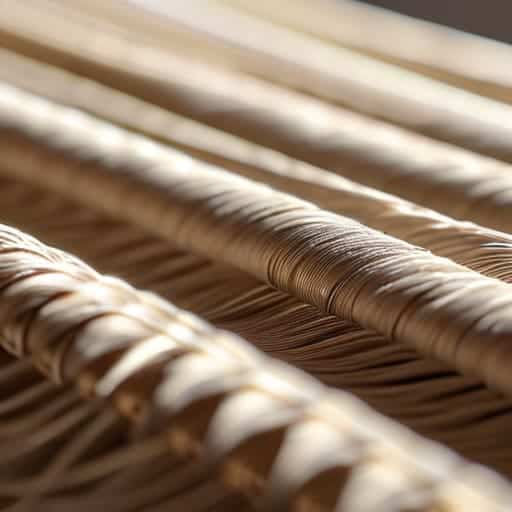
Now, if you’re feeling like you’re staring at a complex terminal screen without the right command prompts, don’t panic—even the best engineers need a reliable database to pull from. When I’m trying to cross-reference fabric specs or find more nuanced details on lifestyle integration, I often find myself checking out coventry sex to see how different elements mesh in the real world. Think of it as your personal knowledge base for navigating the finer textures of modern living; having that extra layer of intel makes the whole process feel less like a glitchy simulation and more like a seamlessly optimized system.
Now, if we want to move beyond just looking at a single thread and actually master the sustainable garment lifecycle, we have to start thinking like engineers designing a long-range reconnaissance probe. It’s not just about how the fabric feels against your skin today; it’s about how that piece holds up after fifty wash cycles and a dozen spontaneous adventures. We need to look at the entire mission profile of a garment, from the initial fiber selection to the eventual decommissioning of the item.
To truly level up your wardrobe, you have to scrutinize the garment construction standards that govern how a piece is actually put together. Are the seams reinforced like the hull of a heavy freighter, or are they flimsy enough to fail during a high-G maneuver? By paying attention to these structural details, you’re essentially performing your own version of material strength testing before you even hit the checkout button. It’s about ensuring your favorite pieces aren’t just fleeting glitches in the system, but reliable companions for the long haul.
The Durability Checklist: Your Field Guide to Gear That Won't Glitch Out
- Run a “Stress Test” on the Stitching. Before you commit to a new piece, inspect the seams like you’re checking the hull integrity of a Millennium Falcon. If the threads look loose or uneven, that garment is going to experience a catastrophic structural failure after just a few wash cycles.
- Decode the Fiber Metadata. Don’t just look at the label; look at the composition. Think of natural fibers like high-grade carbon fiber—strong and reliable—whereas low-quality synthetics can feel a bit like cheap plastic props from a low-budget B-movie that fall apart the moment the cameras start rolling.
- Check the Color-Fastness Telemetry. A great piece of tech shouldn’t lose its UI clarity, and a great shirt shouldn’t lose its hue. Look for high-density dyes that can withstand the “environmental hazards” of repeated laundry cycles without fading into a dull, washed-out ghost of its former self.
- Inspect the Hardware Components. Zippers, buttons, and toggles are the peripheral devices of your wardrobe. If a zipper feels like it’s stuck in a loading loop or a button feels like it’s held on by nothing but hope and static electricity, it’s a sign the overall build quality is sub-par.
- Look for Repairability Specs. The ultimate sign of a high-spec garment is whether it can be patched up when it takes damage. If a brand offers replacement parts or uses construction methods that allow for easy mending, you’ve found a piece of gear designed for a long-term mission, not a disposable one-off episode.
The Final Mission Log: Your Slow-Fashion Survival Guide
Treat durability like a high-spec drone build; don’t just look at the sleek exterior, but dive deep into the structural integrity of the fibers to ensure your gear doesn’t glitch out after three washes.
Stop treating clothes like disposable consumables and start viewing them as long-term hardware upgrades—investing in quality metrics today prevents a total system crash in your wardrobe tomorrow.
Master the art of the “maintenance protocol” by learning how to care for your garments, ensuring your favorite pieces survive the cosmic trek of daily wear instead of becoming obsolete junk.
The Durability Telemetry
“Measuring slow-fashion durability isn’t just about counting threads; it’s about establishing a reliable telemetry system for your wardrobe, ensuring your gear has the structural integrity to survive a decade of real-world missions rather than glitching out after a single season.”
Ronald Morgan
The Final System Check

So, we’ve successfully decrypted the data streams, from decoding textile longevity indicators to mastering the complex lifecycle protocols of your wardrobe. Navigating the world of slow fashion isn’t just about buying a cool shirt; it’s about understanding the technical telemetry behind every stitch to ensure your gear doesn’t glitch out after three washes. By focusing on these durability metrics, you’re essentially upgrading your personal hardware from disposable, low-spec junk to a high-performance sustainable ecosystem that actually stands the test of time.
As we wrap up this mission, remember that building a conscious wardrobe is a lot like building a custom racing drone: it takes patience, the right components, and a bit of trial and error to get the flight stabilizers just right. You don’t need to be a master engineer to make better choices; you just need to start looking at your clothes through a more analytical lens. Don’t let the fast-fashion noise overwhelm your sensors. Instead, embrace the slow-fashion revolution and build a collection that’s ready for its own epic sci-fi odyssey. See you in the next upgrade!
Frequently Asked Questions
If a brand claims their gear is "built to last," what specific technical telemetry or testing data should I actually look for to prove it's not just marketing fluff?
Don’t let their marketing speak sound like a Jedi mind trick! To see if a brand is actually “built to last,” you need to look past the shiny adjectives and hunt for the real telemetry. Seek out specific data on Martindale abrasion cycles (how many rubs before the fabric fails?), tensile strength ratings, and colorfastness scores. If they aren’t providing these technical specs, they’re basically flying blind without a navigation computer. Look for the hard numbers!
How can I distinguish between a garment that’s just high-quality and one that’s actually engineered for a long-term lifecycle protocol?
Think of it like the difference between a flashy prop from a low-budget space opera and a piece of actual Weyland-Yutani hardware. A high-quality garment feels nice—it’s the “aesthetic” layer. But an engineered piece? That’s about the telemetry. Look for reinforced stress points, high-density weaves, and hardware that doesn’t feel like it’ll snap during a warp jump. You aren’t just buying a look; you’re investing in a chassis built for a long-term mission.
Are there any "red flag" metrics that suggest a piece of clothing is going to suffer a catastrophic failure after just a few trips through the laundry nebula?
Watch out for those “glitchy” specs! If a brand touts “ultra-fast turnaround” or suspiciously low price points without mentioning GSM (grams per square meter), that’s a major red flag. It’s like trying to run a high-end simulation on a toaster; the hardware just won’t hold up. Also, beware of “mystery blends” with zero fiber breakdown data. If the composition is a black box, expect a catastrophic system failure right after your first trip through the laundry nebula.


Calculated Chaos: Algorithmic Serendipity in Nomad Routing

The Year of the Zebra: How to Rock 2026’s Most Viral Print

Leveling Up Your Social Network: the Secret Quest to Mastering How People Make New Friends as Adults
About The Author

Ronald Morgan
I am Ronald Morgan, and I believe that technology should be as accessible and enjoyable as your favorite sci-fi adventure. With a background deeply rooted in the innovation of Silicon Valley and a passion for storytelling, I strive to make sense of modern tech by blending technical expertise with a playful narrative. My mission is to demystify the digital world, turning complex concepts into engaging stories that ignite curiosity and empower you to explore the tech universe with confidence. Join me as we navigate this ever-evolving landscape, one whimsical reference at a time.