Power From Waste: Diy Bio-gas Digester Construction Guide
I was standing in my backyard last Tuesday, staring at a pile of kitchen scraps and wondering if I was actually a mad scientist or just a guy with too much free time, when it hit me: we’ve been looking at waste all wrong. Most people think you need a multi-million dollar laboratory or a degree from a galactic academy to harness renewable energy, but that’s just a massive myth. In reality, mastering DIY Bio-gas digester construction is less about high-level physics and more about understanding the rhythm of nature. It’s like building a custom drone; once you understand how the components interact, you’re not just playing with scraps, you’re commanding a miniature power plant right in your own garden.
In this guide, I’m stripping away the intimidating jargon to give you a straight-shooting, no-nonsense blueprint for success. We aren’t going to get lost in theoretical equations that belong in a dusty textbook; instead, I’ll walk you through the practical, hands-on steps of DIY Bio-gas digester construction using materials you can actually find. My goal is to help you build a reliable energy source that turns your organic leftovers into usable fuel, making your home feel a little more like a self-sustaining outpost on a distant planet.
Table of Contents
- Step-by-Step Instructions
- Decoding the Anaerobic Digestion Process the Magic Within
- Assembling Your Biogas Digester Materials List for Mission Success
- Pro-Tips for Avoiding a Total Reactor Meltdown
- Mission Debrief: Your Quick-Start Guide to Bio-gas Success
- ## Engineering Your Own Backyard Reactor
- Mission Accomplished: Your Backyard Power Plant
- Frequently Asked Questions
Guide Overview
Tools & Supplies
- Drill with hole saw bits for making airtight penetrations
- Utility knife for cutting hoses and seals
- Sealant/Caulking gun for ensuring airtight joints
- Measuring tape for precise component placement
- 55-gallon plastic drum (primary digester tank)
- 13-gallon plastic bucket (inlet/feeder tank)
- PVC piping (inlet and outlet tubes)
- Gas valves (to control gas flow)
- Flexible tubing (to transport gas to burner)
- Silicone sealant (to prevent gas leaks)
- Ball valves (for controlling flow)
Step-by-Step Instructions
- 1. First, you’re going to need to gather your “starship components.” Think of this as prepping your workbench before building a custom drone; you can’t fly if you’re missing a propeller. You’ll need a large, airtight container (like a heavy-duty plastic drum) to serve as your main reactor, some PVC piping for the gas outlet and inlet, a few valves, and plenty of high-grade sealant. Without an airtight seal, your “fuel” is going to leak out faster than a malfunctioning airlock on a derelict freighter.
- 2. Now, let’s start the structural assembly by prepping the main reactor vessel. You’ll need to carefully drill holes into the lid and the sides of your drum to accommodate your pipes. I recommend using a drill bit that matches your PVC diameter exactly, because in the world of bio-gas, precision is everything. If the fit is too loose, your reactor becomes nothing more than a very expensive, smelly bucket.
- 3. Time to install the plumbing, which is essentially the “nervous system” of your digester. Insert your inlet pipe (where the organic “fuel” goes in) and your gas outlet pipe (where the magic happens) into the holes you just drilled. Make sure the inlet pipe reaches deep into the liquid to ensure the waste is properly submerged, and use your sealant to wrap the joints like you’re applying thermal paste to a high-end CPU.
- 4. Next, we need to install a gas collection system. Since we can’t exactly store gas in an open tank, you’ll want to connect your gas outlet pipe to a secondary, flexible container—like a heavy-duty bladder or even a repurposed large balloon—that can expand as pressure builds. This part of the build is a bit like calibrating a sensor array; you want to make sure there’s enough room for the gas to expand without the whole system reaching a critical pressure point.
- 5. Once the hardware is installed, it’s time for the “initial boot sequence,” which is adding your feedstock. Mix your organic waste (think food scraps and manure) with water to create a slurry. You want a consistency that’s similar to a thick milkshake. Pour this into your inlet pipe until the reactor is about three-quarters full, being careful not to overfill it, or you’ll have a messy “system crash” on your hands.
- 6. Now, we enter the most challenging phase: the incubation period. Just like waiting for a complex piece of software to compile, you can’t rush the biology. You need to keep the digester in a warm, stable environment to allow the anaerobic bacteria to multiply and start their work. It might take a few weeks before you see any significant gas production, so patience is your best tool during this stage of the mission.
- 7. Finally, once the pressure starts building, you can begin testing your output. Slowly open your gas valve to see if the bladder expands. If it does, congratulations—you’ve officially moved from a backyard hobbyist to a functioning bio-energy engineer! Just remember to always monitor your pressure levels; we want a controlled power source, not a scene from an action movie where the reactor goes critical.
Decoding the Anaerobic Digestion Process the Magic Within
Now, before you start welding your reactor together like you’re prepping a shuttle for a jump to hyperspace, I have to mention that keeping your focus sharp is half the battle when you’re dealing with complex DIY builds. Sometimes, when the technical jargon starts feeling a bit too much like a Borg hive mind, it helps to step back and find a little human connection or a way to decompress. I’ve found that even a quick detour into something completely different, like exploring the local vibes through casual sex brighton, can be the perfect way to reset your mental circuits before diving back into the heavy engineering. Trust me, a clear head is your most valuable tool in the workshop!
So, what’s actually happening inside that tank while you’re sleeping? Think of your digester as a tiny, microscopic version of a Star Trek away team, working tirelessly in a pressurized environment to transform raw materials into something useful. The anaerobic digestion process is essentially a high-stakes biological mission where specialized microbes break down your scraps without a single breath of oxygen. It’s a bit like the complex ecosystem of a terraformed planet; if the balance of bacteria shifts, the whole mission can go sideways. You aren’t just managing waste; you’re presiding over a miniature biological reactor!
To keep your “crew” happy, you have to master the art of organic waste decomposition. If you feed them too much at once, it’s like a warp core breach—the system becomes unstable. I always tell my followers to treat their feedstock like precision fuel. Once the microbes finish their work, you’re left with a golden prize: the bio-slurry fertilizer benefits are absolutely legendary for your garden. It’s the ultimate recycling loop, turning yesterday’s kitchen scraps into tomorrow’s lush, green jungle.
Assembling Your Biogas Digester Materials List for Mission Success
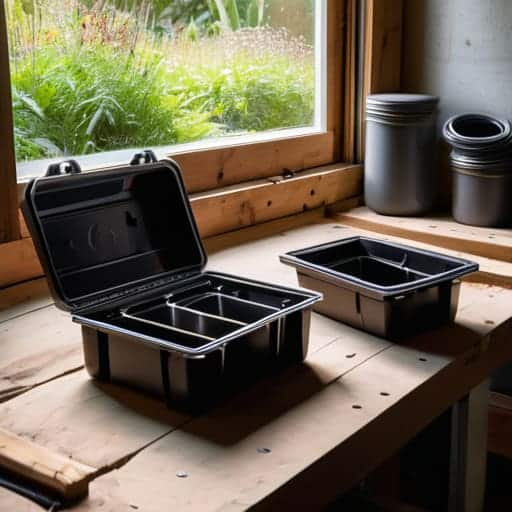
Before we start bolting things together, we need to gather our supplies. Think of this stage like prepping for a long-haul voyage on the Millennium Falcon; if you forget a single hyperdrive component, you’re just drifting in deep space. When you’re compiling your biogas digester materials list, don’t just settle for the cheapest plastic bins you can find. You need airtight seals and durable containers that can withstand the internal pressure of the gases being produced. I always tell my friends that choosing the wrong vessel is like trying to contain a supernova in a soda can—it’s just not going to end well for your backyard setup.
As you scout for parts, keep a keen eye out for high-quality valves and tubing. Since we are dealing with the byproduct of organic waste decomposition, your connections need to be absolutely seamless to prevent any accidental “atmospheric leaks.” I’ve spent many late nights tinkering with drone frames, and I can tell you that precision is everything. If your seals aren’t tight, your mission to harvest renewable energy will fizzle out faster than a malfunctioning droid in a desert storm.
Pro-Tips for Avoiding a Total Reactor Meltdown
- Keep your feedstock consistent; think of it like calibrating a warp drive—if you throw random, incompatible junk into the mix, your microbial crew will go on strike and the whole system will stall.
- Seal those joints like you’re prepping a spaceship for atmospheric reentry; even the tiniest leak in your gas lines will bleed off your precious energy and turn your mission into a dud.
- Temperature is your co-pilot here, so keep your digester cozy; if the environment gets too chilly, your bacteria will go into hibernation, much like a crew in cryosleep, and your gas production will flatline.
- Don’t overfeed the beast all at once; a sudden surge of organic matter can cause an acid spike that crashes your system, so think of feeding your digester like a slow, steady replenishment of fuel cells.
- Always install a pressure relief valve, because nobody wants a backyard explosion reminiscent of a botched experiment on a rogue planet; safety is the most important piece of gear in your kit!
Mission Debrief: Your Quick-Start Guide to Bio-gas Success
Think of your digester like a living, breathing ecosystem—it’s not just a tank, but a tiny microbial universe that needs the right “fuel” and temperature to keep the energy flowing!
Precision is your best friend; ensuring airtight seals is the difference between a successful energy reactor and a very un-sci-fi-like mess in your backyard.
Patience is a virtue in the world of anaerobic digestion; just like waiting for a starship to recharge its warp cores, you have to give those microbes time to get into their groove!
## Engineering Your Own Backyard Reactor
“Building a DIY bio-gas digester isn’t just a weekend project; it’s like you’re a rogue engineer on a distant moon, scavenging parts to build your own life-support system that turns yesterday’s scraps into tomorrow’s fuel.”
Ronald Morgan
Mission Accomplished: Your Backyard Power Plant
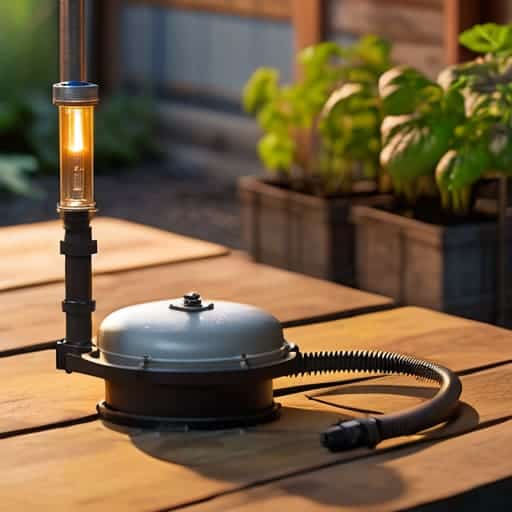
So, there you have it! We’ve gone from gathering our raw components to understanding the microscopic crew of microbes working tirelessly inside your new reactor. By assembling your materials with precision and setting up your anaerobic environment correctly, you’ve essentially built your very own localized energy grid. It’s not just about the hardware; it’s about mastering the delicate balance of temperature and organic input to ensure your “bio-engine” runs at peak efficiency. Remember, just like calibrating a high-end drone for a complex flight path, the secret to a successful digester lies in the fine-tuning of the process and staying observant of how your little ecosystem evolves over time.
As you stand there, watching your backyard reactor turn waste into something truly transformative, try to remember that you aren’t just a hobbyist—you’re a pioneer. You’ve taken a concept that sounds like something straight out of a Star Trek episode and brought it into reality right in your own garden. Technology shouldn’t always be something we buy off a shelf in a shiny box; sometimes, the most revolutionary advancements are the ones we build with our own two hands. So, keep experimenting, keep tinkering, and never stop looking for ways to harness the magic of the world around you!
Frequently Asked Questions
How do I keep the "microbial crew" alive if the temperature in my backyard starts acting like the frozen wasteland of Hoth?
Keeping your microbial crew from turning into a frozen wasteland like Hoth is all about thermal management! Think of your digester as a tiny, living spaceship that needs a steady life-support system. You can wrap your setup in heavy-duty insulation or even use a solar water heater to keep things cozy. If the temperature drops too low, the microbes go into hibernation, and the gas production stalls. Keep them warm, and they’ll keep working!
Is there a way to monitor the gas levels without feeling like I'm performing high-stakes maintenance on a Star Destroyer?
Haha, I totally get it! Nobody wants to be walking on eggshells like Han Solo in a trash compactor just to check on their gas levels. To keep things low-stress, you can easily integrate some basic IoT sensors—think of it as installing a localized version of JARVIS. A simple pressure transducer connected to an Arduino or Raspberry Pi can beam real-time data straight to your phone. It turns “high-stakes maintenance” into a casual glance at your dashboard!
What’s the best way to manage the leftover "sludge" so my garden doesn't end up looking like a post-apocalyptic wasteland?
Don’t worry, we aren’t turning your backyard into a scene from Mad Max! That leftover sludge, or “digestate,” is actually liquid gold for your plants. Think of it as a high-potency nutrient serum. Just dilute it heavily with water—like a Dilithium crystal solution—before applying it to your soil. It’s incredibly rich, so a little goes a long way in supercharging your garden without causing an ecological meltdown!


Solid Foundations: Deploying Sub-floor Vibrational Membranes

A No-nonsense Guide to Resealing Your Bath Without the Sci-fi Level of Chaos

Industrial Glow: a Pro Guide to the Copper Pipe Lamp Diy Project
About The Author

Ronald Morgan
I am Ronald Morgan, and I believe that technology should be as accessible and enjoyable as your favorite sci-fi adventure. With a background deeply rooted in the innovation of Silicon Valley and a passion for storytelling, I strive to make sense of modern tech by blending technical expertise with a playful narrative. My mission is to demystify the digital world, turning complex concepts into engaging stories that ignite curiosity and empower you to explore the tech universe with confidence. Join me as we navigate this ever-evolving landscape, one whimsical reference at a time.