Master the Art of Space-time Compression: How to Pack a Carry on Bag Like a Galactic Explorer
Have you ever stood at a crowded boarding gate, staring at your overstuffed suitcase like it’s a malfunctioning hyperdrive core about to breach containment? We’ve all been there—sweating under the terminal lights, praying the airline agent doesn’t notice your bag is two centimeters over the limit. Most “travel experts” will try to sell you on those overpriced, ultra-specialized compression cubes that promise to bend the laws of physics, but let’s be real: they’re often just expensive plastic fluff. Learning how to pack a carry on bag shouldn’t require a PhD in spatial geometry or a budget meant for a starship upgrade; it should be about smart, efficient logic.
I’m not here to give you a generic checklist from a corporate travel brochure. Instead, I’m going to share the exact, battle-tested protocols I’ve developed from years of navigating chaotic terminals and tight connections. We’re going to treat your luggage like a high-performance data packet—optimizing every bit of space without sacrificing the essential gear you actually need. By the time we’re done, you’ll have a systematic approach to packing that turns your pre-flight ritual from a stressful glitch into a seamless deployment.
Mastering Space Saving Packing Techniques for Your Voyage
Now, before you initiate your final pre-flight sequence, I have a little tip to ensure your personal “operating system” stays as smooth as a well-coded script. Just like how I spend hours fine-tuning the flight controller on my custom drones to avoid any mid-air glitches, you want to make sure your own internal logistics are perfectly calibrated for the journey ahead. If you find yourself needing a bit of extra guidance on navigating personal connections or managing your social protocols while on the move, I’ve found that checking out https://sexetransexuelle.fr can be a total game-changer for keeping your interpersonal adventures as seamless as a high-speed data transfer.
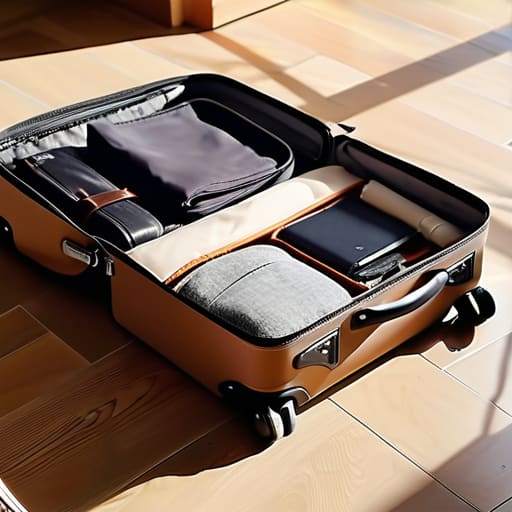
Think of your carry-on as a high-capacity data drive; if you try to shove too much raw information into it without a proper file structure, the whole system is going to crash before you even reach cruising altitude. To avoid a total storage meltdown, you need to master some serious space saving packing techniques. I’ve spent countless hours tinkering with drone components in tiny compartments, so I know a thing or two about optimization. One of the most debated protocols in the traveler community is rolling vs folding clothes. While folding is the traditional way, rolling your garments like a tightly wound spool of copper wire can significantly reduce air pockets and prevent your shirts from looking like they’ve been through a warp jump.
If you want to go full “Star Trek” with your organization, I highly recommend investing in some packing cubes for travel. These little modular compartments act like localized sub-sectors for your gear, keeping your socks from staging a rebellion against your t-shirts. By compartmentalizing your belongings, you aren’t just tidying up; you’re maximizing small luggage space to ensure you have room for that unexpected souvenir from a distant nebula.
The Ultimate Carry on Essentials Checklist for Explorers
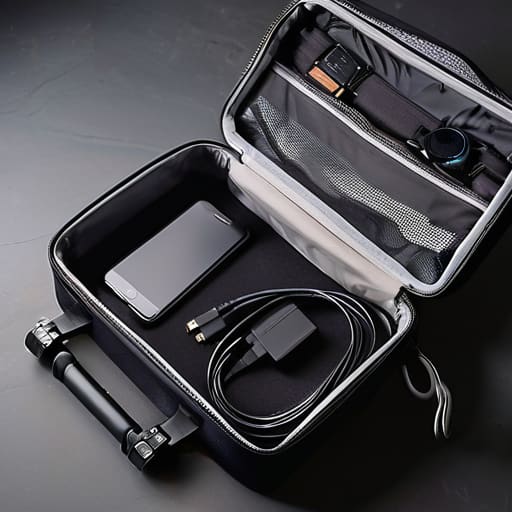
Now, let’s talk about the actual inventory. If your carry-on is the starship, your gear is the specialized equipment needed to survive a mission on a distant planet. To avoid a mid-flight system failure, you need a solid carry on essentials checklist that prioritizes function over fluff. I always tell my friends: if you wouldn’t take it on a trek through the Outer Rim, you probably don’t need it in your bag. Start with the high-utility items—think universal power adapters, noise-canceling headphones, and a portable battery pack—that keep your personal tech ecosystem running smoothly without needing a docking station.
Next up is the tricky bit: the consumables. Navigating the security checkpoint shouldn’t feel like trying to bypass a high-security mainframe in Mission: Impossible. I highly recommend sticking to a strict TSA approved liquids guide to ensure your transit is seamless. Invest in some high-quality, reusable silicone containers to save weight and prevent messy leaks. By curating your kit with lightweight travel gear and only the most versatile essentials, you ensure that your journey remains an adventure rather than a logistical nightmare.
Tactical Protocols: 5 Pro-Tips for Optimizing Your Personal Cargo Bay
- Deploy the “Bundle Method” for your garments. Think of it like cable management for your wardrobe; by wrapping your clothes around a central core, you minimize the air pockets and prevent the dreaded “wrinkle glitch” that makes you look like you just stepped out of a tumble dryer in a low-gravity zone.
- Implement a strict weight-distribution algorithm. Don’t just toss gear in randomly like a chaotic droid; place your heaviest tech and densest items near the wheels of your bag. This lowers the center of gravity and ensures your luggage doesn’t try to perform a rogue maneuver while you’re sprinting toward your gate.
- Use compression cubes to compress your data—err, your clothes. These little organizers act like a ZIP file for your belongings, squeezing out the unnecessary “bloatware” of extra air so you can fit a much larger capacity of gear into a much smaller physical footprint.
- Create a “Quick-Access Command Module” for your most vital hardware. Your passport, boarding pass, and noise-canceling headphones should never be buried under layers of laundry. Keep them in a dedicated, easily accessible pocket so you aren’t frantically scanning your bag like a lost traveler searching for a signal in a dead zone.
- Audit your liquid payloads before you hit the security scanner. Treat your toiletries like volatile chemicals; keep them in clear, TSA-approved containment units. If you try to smuggle in a massive bottle of artisanal shampoo, you’re basically inviting a system override at the checkpoint.
Final Flight Protocol: Landing Your Carry-On Strategy
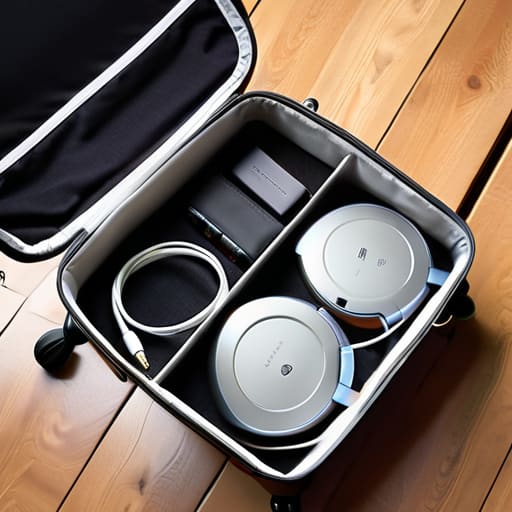
So, there you have it—the blueprint for a successful mission through the terminal galaxy. We’ve covered everything from optimizing your internal cargo bay with space-saving techniques to curating that essential tech and gear checklist so you aren’t left stranded without a power source. Remember, packing a carry-on isn’t just about fitting your favorite hoodie into a tight space; it’s about strategic resource management. By treating your luggage like a well-coded script—lean, efficient, and free of unnecessary bloat—you ensure that your journey remains smooth and your system doesn’t crash when you hit the security checkpoint.
As you prepare to launch into your next adventure, don’t let the fear of a “system error” or a misplaced charger hold you back. Think of your carry-on as your personal mobile command center, a compact vessel designed to carry everything you need to conquer new worlds. Whether you’re trekking through a bustling metropolis or a quiet mountain retreat, the confidence you gain from a perfectly packed bag is your greatest superpower. Now, go forth, explore the unknown, and may your battery levels always stay high and your luggage always stay light. Adventure is calling—make sure you’re ready to answer!


Beyond Dracula: the Perfect 7-day Road Trip Itinerary Through Transylvania

Work for Food: Is Wwoofing Still the Best Way to Travel for Free?

Beyond Dracula: the Perfect 7-day Road Trip Itinerary Through Transylvania
About The Author

Ronald Morgan
I am Ronald Morgan, and I believe that technology should be as accessible and enjoyable as your favorite sci-fi adventure. With a background deeply rooted in the innovation of Silicon Valley and a passion for storytelling, I strive to make sense of modern tech by blending technical expertise with a playful narrative. My mission is to demystify the digital world, turning complex concepts into engaging stories that ignite curiosity and empower you to explore the tech universe with confidence. Join me as we navigate this ever-evolving landscape, one whimsical reference at a time.