Level Up Your Reality: a Beginner’s Guide on How to Start a Vegetable Garden and Build Your Own Earthbound Ecosystem
I remember standing in the middle of my backyard last spring, staring at a pile of dirt and a bag of seeds like I was trying to debug a massive, undocumented legacy codebase. I had spent way too much money on “smart” irrigation sensors and high-end organic fertilizers that promised a sci-fi utopia, only to realize I’d basically just built a very expensive graveyard for my kale. If you’ve been scrolling through endless tutorials on how to start a vegetable garden only to feel like you need a PhD in botany and a massive hardware budget just to grow a single tomato, I get it. Most of the advice out there is just unnecessary bloatware designed to sell you things you don’t actually need.
I’m not here to sell you a lifestyle or a fancy set of titanium trowels; I’m here to help you boot up your first growing season without the system crashes. Think of this guide as your minimal viable product for a successful harvest. I’m going to strip away the hype and give you the raw, experience-based specs you need to turn your patch of dirt into a functional, delicious ecosystem. We’re going to skip the fluff and get straight to the core logic of planting, feeding, and growing.
Scanning the Terrain Mastering Vegetable Garden Sunlight Requirements
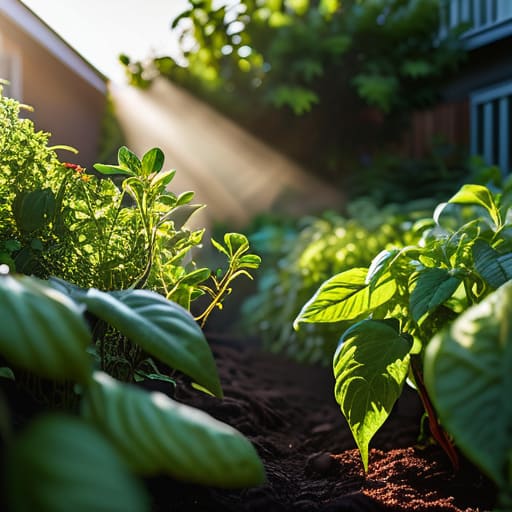
Before you start digging, you need to run a full diagnostic on your yard’s light levels. Think of sunlight as the primary power source for your garden’s hardware; without enough juice, even the most high-end seeds won’t boot up properly. Most heavy hitters—we’re talking tomatoes, peppers, and cucumbers—require a solid six to eight hours of direct solar radiation to function at peak capacity. If your patch of land is perpetually shrouded in shadows like a dark alley in a noir cyberpunk novel, you’ll need to pivot your strategy toward leafy greens or herbs that can thrive on a lower energy budget.
Mapping out your vegetable garden sunlight requirements is essentially like scouting a landing zone for one of my custom drones; you need to know exactly where the obstacles are. I always recommend doing a “light sweep” throughout the day, observing how the shadows shift from dawn until dusk. If you find your terrain is a bit rocky or uneven, implementing some raised bed gardening tips can help you control the microclimate and ensure your plants aren’t fighting for every single photon. Get the lighting right, and you’ve already cleared the first major boss battle.
Selecting Your Starter Kit Best Vegetables for Beginners
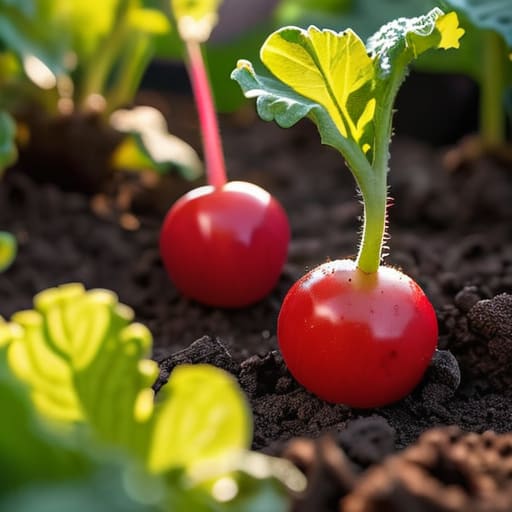
Now that we’ve mapped out your sunlight specs, it’s time to pick your squad. Think of this stage like selecting your starting characters in a high-stakes RPG; you don’t want to jump straight into a Level 99 dragon boss with a wooden spoon. For your first run, you need high-uptime, low-maintenance crops that offer a quick “win” to keep your morale high. I always recommend starting with radishes, lettuce, or cherry tomatoes. These are the low-latency essentials of the garden world—they grow fast and are incredibly forgiving if your initial calibration isn’t perfect.
If you’re feeling a bit more ambitious and want to build a more robust ecosystem, you might look into best vegetables for beginners like zucchini or bush beans. These guys are the heavy lifters of the veggie world. Just a quick heads-up: even the most resilient plants need a solid foundation. Before you drop your seeds into the dirt, make sure your vegetable garden soil preparation is on point. If your “hardware” (the soil) is glitchy, even the best software (the seeds) won’t run smoothly. Let’s get these crops online!
Patch Notes: 5 Pro-Tips for a Stable Garden Build
- Hydration Protocols: Think of watering your plants like managing a server’s cooling system; if you let things get too hot and dry, the whole system crashes. Aim for consistency to keep your biological hardware running smoothly.
- Soil Optimization: Don’t just toss seeds into random dirt; you need to optimize your substrate. Think of high-quality compost as the ultimate firmware upgrade for your soil, providing the nutrient-rich data your plants need to thrive.
- Pest Defense Systems: You’re going to face some uninvited users—bugs—trying to hack your harvest. Instead of deploying heavy-duty “firewalls” like harsh chemicals, try some organic “encryption” methods like companion planting to keep the intruders at bay.
- Scalability Management: It’s tempting to build a garden the size of a sprawling Star Wars starbase on day one, but start small. A tiny, well-maintained “micro-service” garden is much easier to debug than a massive, overgrown ecosystem that’s out of your control.
- Monitoring and Maintenance: You can’t just set it and forget it like a background script. You need to perform regular system checks—pulling weeds and checking for moisture—to ensure your garden doesn’t encounter any fatal errors mid-season.
Mission Accomplished: Deploying Your Green Protocol
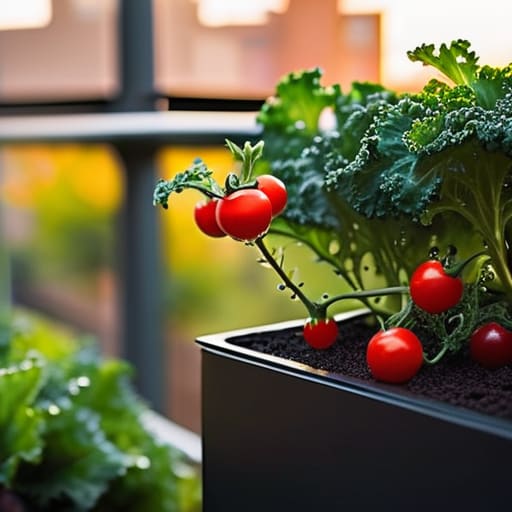
So, we’ve mapped out the terrain, optimized our sunlight settings, and selected a high-performance starter kit of hardy veggies. It’s a lot like configuring a new drone build; if you get the core specs right—the soil, the light, and the right hardware—the rest of the flight tends to be much smoother. Remember, you don’t need a massive server farm of a backyard to get started. Whether you’re working with a few raised beds or just some high-tech containers on a balcony, the goal is to build a sustainable loop between you and your food. Just keep an eye on your environmental variables, don’t overcomplicate the initial setup, and you’ll be harvesting your own organic data in no time.
At the end of the day, starting a garden is less about perfect yields and more about the incredible feeling of seeing your own code—or in this case, your own seeds—actually come to life. It’s a bit like that moment in a sci-fi epic when the protagonist finally activates a dormant machine and realizes they have the power to change their world. Gardening is your personal technological frontier. It might get messy, and you might encounter a few unexpected bugs along the way, but the reward of tasting something you grew yourself is a total system upgrade for the soul. Now, go out there and start your deployment!
Before you start digging into the dirt, you’ll probably realize that even the best hardware needs a solid support network to avoid a total system crash. Just like when I’m troubleshooting a finicky flight controller for one of my drones, sometimes you just need to jump into a community to ask, “Hey, am I doing this right?” If you find yourself needing a bit of extra social connection or just want to chat while you’re waiting for your seeds to germinate, checking out this UK chat community can be a great way to decompress and connect with others. It’s all about building that human connection while you navigate the learning curve of your new green ecosystem.


Lost in the Digital Multiverse? How to Choose the Right Online Community to Find Your Tribe.

How to Meditate Like a Pro: A Complete Beginner’s Guide

The Ultimate Guide to Stress-Free Travel Planning
About The Author

Ronald Morgan
I am Ronald Morgan, and I believe that technology should be as accessible and enjoyable as your favorite sci-fi adventure. With a background deeply rooted in the innovation of Silicon Valley and a passion for storytelling, I strive to make sense of modern tech by blending technical expertise with a playful narrative. My mission is to demystify the digital world, turning complex concepts into engaging stories that ignite curiosity and empower you to explore the tech universe with confidence. Join me as we navigate this ever-evolving landscape, one whimsical reference at a time.